
Complete Guide to Common Sports Injuries & How To Treat Them
Sports are activities that everyone can participate in, regardless of their level of ability. From grassroots clubs to professional athletes, sports are a great way to get moving. However, sport does come with a risk of injury, and even the highest-level athletes aren’t immune. Here, we discuss common sports injuries and their treatment, enabling you to return to your activities as soon as possible.
Table of contents
How common are sports injuries
What is the most common knee injury in sports?
How to prevent common sports injuries
Most common injuries in cycling
What is the most common knee injury in skiing?

How common are sports injuries?
Sports injuries are very common. According to the NHS, around 2 million people visit Accident & Emergency departments each year due to sports-related injuries. Even professional athletes aren’t immune, with statistics from UK Sport suggesting that 43% of athletes will experience at least one injury per season. While some sports carry a higher risk than others, anyone who is physically active can be susceptible to injury.
What is the most common knee injury in sports?
The knee is one of the most hardworking joints in the body, making it prone to injury. The most common knee injuries in sports are sprains and tears of the connective tissues, with the Anterior Cruciate Ligament (ACL) and the meniscus being the most frequently affected. These injuries often occur due to sudden changes in direction, incorrect landings, or direct impact.
How to prevent common sports injuries
As with most injuries, prevention is better than cure. Whether you are a professional athlete or just starting your fitness journey, it’s essential to take precautions to prevent injury, stay active, and remain pain-free.
Incorporate all elements of fitness into your routine
Try to create a fitness plan that includes cardio, strength training, and flexibility, so you’re not doing too much of the same thing. Overuse is a common cause of injury, so keep your routine varied and alternate your activities to maintain a healthy balance.
Warm up and cool down properly
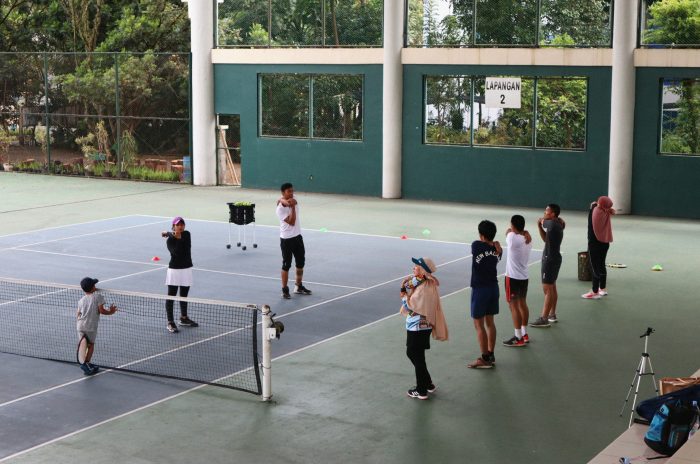
A thorough warm-up and cool-down, accompanied by dynamic stretching, is vital to preventing injury. Even if you’re at the peak of your fitness, never skip a warm-up!
Stay hydrated
Drink water before, during, and after exercising to prevent dehydration. It’s especially important to stay hydrated in hot weather to avoid heat exhaustion or heat stroke. Some people prefer to consume electrolytes in the form of a sports drink or a sachet mix. Electrolytes help the body maintain proper fluid balance and support the function of muscles and nerves. Our bodies are well-equipped to regulate our electrolyte levels, but supplementing them when you lose a lot of fluid through sweat can help maintain normal levels and even improve your recovery.
Use the right equipment
Whether it’s a proper pair of running trainers or the right tennis racquet for you, the proper equipment can make all the difference to your recovery and prevent injuries from occurring.
Learn the right techniques
From your running form to your golf swing, perfecting your technique isn’t just about performance, but also vital for preventing injury.
Rest
When you love your sport, it can be tempting to want to go out and play every single day. However, it’s important to rest between training sessions to allow your body to recover. Do not try and push through pain. Listen to your body and allow it the time it needs to heal.
Most common running injuries
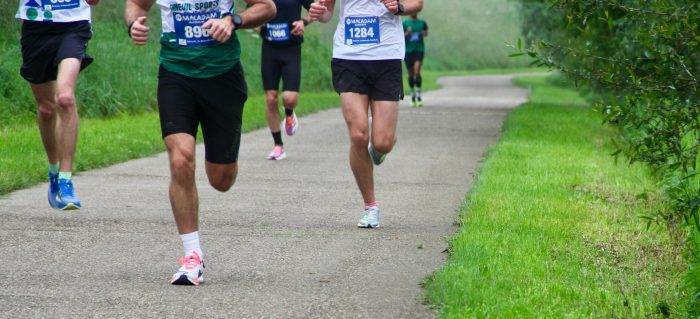
Running is a high-impact activity that places significant strain on the lower joints. Injury is common, and strength training is crucial for maintaining leg health and preventing issues.
Knee injuries
Iliotibial (IT) band syndrome: Causes pain on the outside of the knee when the IT band rubs against the thigh bone.
Patellofemoral pain syndrome (runner’s knee): Pain in front of the knee or around the kneecap where the knee connects with the lower end of the thighbone.
Patellar tendinopathy (jumper’s knee): Inflammation of the patellar tendon that connects the kneecap to the shinbone. Treatment: Most minor knee injuries can be effectively treated with the RICE protocol, which consists of Rest, Ice, Compression, and Elevation. More persistent issues may require physiotherapy and the inclusion of a knee support or brace. Always seek medical advice if you think you have a knee injury.
Foot and ankle injuries
Ankle sprains and strains: Usually occur from rolling your ankle or stretching the foot beyond its normal range of movement.
Achilles tendinopathy: Overuse injury of the tendon that runs down the back of the lower leg to the heel. A very common running injury.
Plantar fasciitis: Inflammation of the plantar fascia tissue that causes pain on the bottom of the foot.
Treatment: The initial treatment for most foot and ankle injuries typically involves the RICE protocol, followed by gentle movement and a gradual increase in intensity to restore strength, balance, and flexibility. An ankle brace or support can be helpful to stabilise the joint.
Hamstrings
Hamstring strains: Typically caused by a lack of flexibility of the hamstring muscles or not completing a proper warm-up.
Chronic hamstring tendinopathy: Deterioration of the hamstring tendon due to injuries not healing correctly.
Treatment: Mild to moderate hamstring injuries can be initially treated with PRICE therapy.
Protection – protect your leg from further injury.
Rest – stop exercise or activities and try not to put weight on the injury.
Ice – apply an ice pack (frozen veg works fine!) wrapped in a tea towel to the injury for up to 20 minutes every 2-3 hours.
Compression – use a compression sleeve or bandage on the injured leg to encourage healing.
Elevate – keep your injured leg raised as much as possible.
Tibia and lower leg
Shin splints: Pain between the knee and ankle, usually caused by repeated impact. Shin splints are very common and usually affect road runners more.
Tibial stress fracture: A small crack in the tibia caused by overuse and repetitive activity.
Calf strains: Pain and tightness in one of the three calf muscles (gastrocnemius, soleus, or plantaris) made worse by walking or jogging.
Treatment: Shin splints are typically treated with rest, ice, and over-the-counter anti-inflammatory medications, such as ibuprofen. A tibial stress fracture requires more comprehensive treatment, including a complete reduction in weight-bearing via crutches or a walking boot. It’s important to seek proper diagnosis and treatment if you suspect you have a stress fracture.
Supports and braces can provide stability, pain relief and improved form while running. Our collection features knee and ankle supports from leading brands.
Most common injuries in cycling
Knee pain: “Cyclist’s knee” is a common cycling injury. It’s usually caused by a saddle being too low or too far forward, resulting in abnormal movement of the kneecap.
Lower back pain: Caused by long periods in a bent-over position. Building core strength can help prevent this.
Neck pain: Poor posture, like craning the neck to see the road, and excessive weight on the handlebars can cause neck and upper back pain.
Achilles tendonitis: Overuse and stress on the calf muscle can lead to inflammation and tiny tears in the Achilles tendon, often due to a high saddle position.
Hand pain and numbness: Prolonged pressure on the handlebars and ulnar nerve can cause numbness (cyclist’s palsy) or pain in the hands and wrists.
Hip and shoulder pain: Tightness in hip flexors or strain from an improper bike setup can cause hip pain.
Acute injuries from falls: Cycling carries risks of falls and crashes that can lead to acute injuries, such as road rash or more serious breaks and sprains.
Treatment: Again, a lot of mild cycling injuries can be treated with the RICE principles or adjustments to posture and form. When you first begin cycling, build up your time and distance in the saddle gradually and avoid doing too much too soon. Acute injuries from falls or crashes require immediate attention, especially if you’ve hit your head.
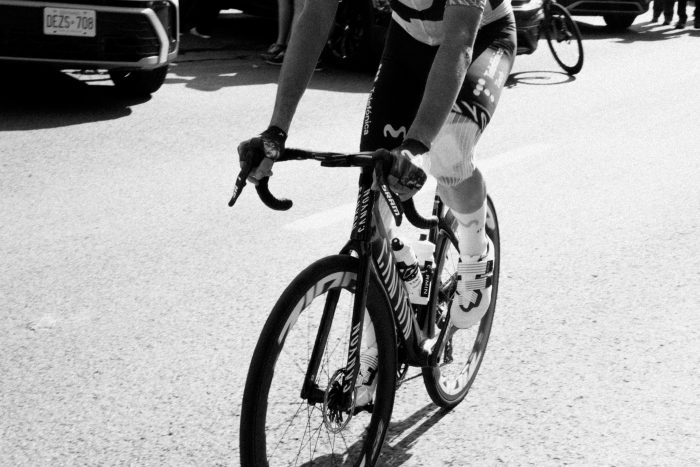
A support or brace can help aid your recovery from many common cycling injuries. Explore the brace-yourself collection and find the support you need.
Most common golf injuries
Golf may seem like a leisurely sport, but the repetitive and explosive nature of the golf swing can lead to several injuries.
Back pain: The rotational stresses of the swing can place considerable pressure on the spine.
Tennis elbow and golfer’s elbow: Inflammation of the tendons in the elbow.
Shoulder pain: Can be caused by rotator cuff injuries or impingement.
Wrist injuries: Tendinitis and sprains are common due to the repetitive motion of the swing.
Treatment: Most mild to moderate golf injuries can be treated with the RICE principles. Avoiding reinjury may require adjustments to form and technique, as well as a gradual return to activity.
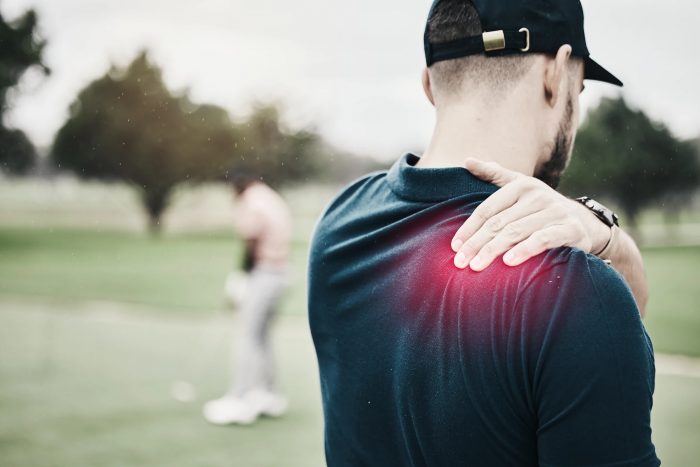
Our golf supports and braces can help alleviate the strain of common golfing injuries. Explore the range and find the right support for you.
Most common tennis injuries
The fast-paced, high-impact nature of tennis can lead to a variety of injuries.
Tennis elbow: Inflammation of the tendons on the outside of the elbow.
Rotator cuff injuries: Tearing or inflammation of the tendons in the shoulder.
Ankle sprains: Common due to the quick lateral movements required in the sport.
Knee injuries: Including patellar tendonitis (“jumper’s knee”) and ligament sprains.
Our range of tennis support and braces can help relieve the symptoms of these common tennis injuries.
For more in-depth information on common tennis injuries, read our extensive guide.
What is the most common knee injury when skiing?
Skiing puts a significant amount of stress on the knees. The most common knee injury in skiing is a tear of the Medial Collateral Ligament (MCL). This often happens when a skier is in a “snowplough” position and falls or overstrains the ligament. The second most common is an ACL tear, which can occur when a skier tries to prevent a fall by twisting their body or lands a jump incorrectly. A ski support or brace can help you feel more stable and comfortable while hitting the slopes.
Explore knee injuries further in our comprehensive guide:
Tackle common sports injuries with brace-yourself
At brace-yourself, we have a fantastic selection of medical supports, including braces, splints, and slings, to help aid in your recovery from sporting injuries. When you’re back on your feet, our sports supports are here to stabilise and support as you regain your strength. Explore our full selection online today, featuring options from leading brand Incrediwear, and discover the best support for your regular sporting activities.

Comments are closed here.