
Wrist and Hand Supports
Unlock optimum wrist and hand care with our specialised range of supports. Crafted with precision, each of our braces and supports provides unparalleled comfort and stability for those experiencing wrist and hand pain or discomfort. From compression gloves to ergonomic wrist braces, our collection caters to various needs, including arthritis, carpal tunnel syndrome and post-surgery healing. Engineered by top manufacturers, such as Bauerfeind, our wrist supports and hand braces are designed for preventive and rehabilitative purposes and aim to enhance mobility whilst minimising pain. Choose from our carefully curated selection to experience unmatched support and relief, allowing you to embrace daily activities with confidence and ease.


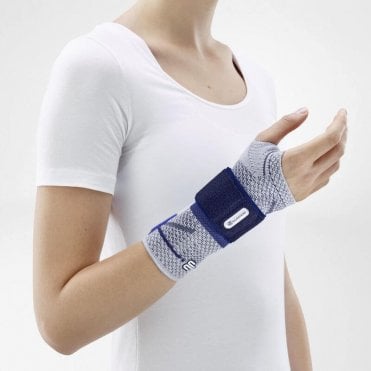
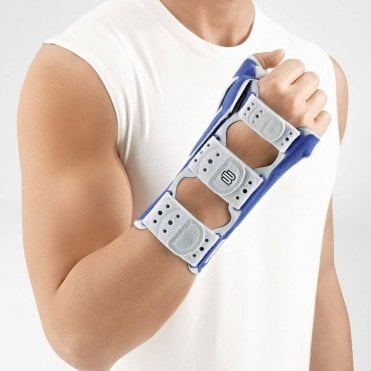
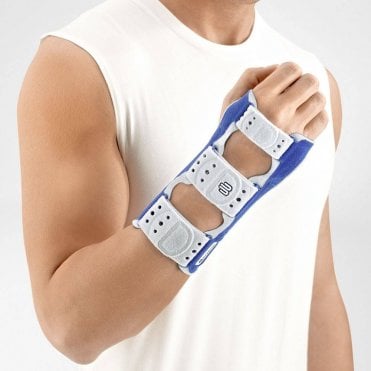
What is the difference between a wrist support and a wrist brace?
Although both offer support and relief from wrist pain and discomfort, wrist supports (also known as splints) function slightly differently from wrist braces. Wrist supports, and splints provide stability through immobilisation, ideal for injuries requiring minimal movement to heal correctly. On the other hand, a wrist brace offers a balance between support and mobility, making it suitable for relieving a wider range of conditions, such as carpal tunnel syndrome, arthritis and more.
Do wrist supports help?
Wrist supports are a great way to relieve minor complaints and ailments. They offer stability to a joint's bones, muscles, tendons, and ligaments while allowing some movement to help promote healing and prevent injury to the wrist.
When should I wear my wrist support?
The best time to wear your wrist support depends on the condition you want to alleviate and the type of wrist support you wear. Most wrist supports are designed to be worn daily and at night to support strains and sprains or relieve conditions that cause pain in the wrist joint. It may also be useful to wear a brace or support during activities that cause flare-ups. However, it is important to take regular breaks from wear to do gentle movements, where possible, to encourage effective recovery.
