
Common Skiing Injuries & How to Avoid Them
Skiing is an exhilarating sport, but the sheer physical demands and high speeds involved mean that injuries are unfortunately common. Preparing your body and using the right equipment are vital steps in protecting yourself on the slopes.
This guide addresses your key questions about skiing injuries, including their frequency, the most common issues, and essential prevention methods to help you stay safe and enjoy your time on the snow.
Contents
- How common are ski injuries?
- What are the most common ski injuries?
- Skier’s thumb and how to treat it
- How to avoid injuries while skiing
- Why does my whole body hurt after skiing?
- Key Takeaways
How common are ski injuries?
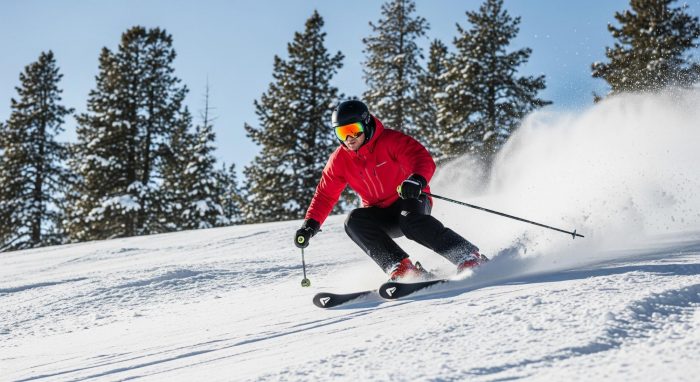
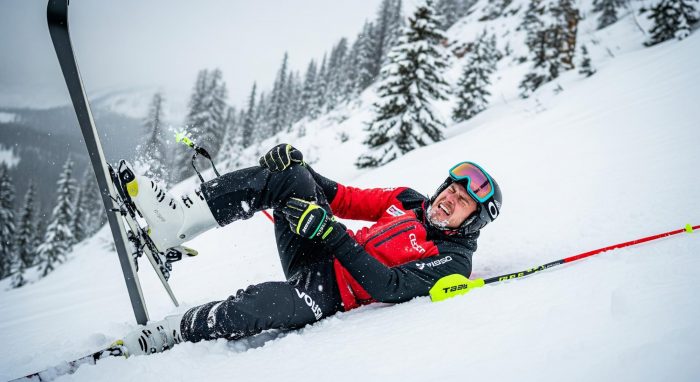
While modern equipment has helped reduce risks, the injury rate from skiing is often cited as ranging from 1 to 4 injuries per 1,000 days skied. This means that injuries are, unfortunately, a common occurrence on the slopes. These injuries are often caused by the unique twisting forces the sport places on the body, as well as falls or collisions. We’ll discuss some of the most common skiing injuries throughout this article, providing recommendations on how to manage them, along with product recommendations that can aid in recovery.
What are the most common ski injuries?
Skiing can affect nearly every joint, but certain areas bear the brunt of the load and stress. The most common types of skiing injuries include:
1. The Knee Catastrophe (ACL & MCL)
The knee is the single most common joint affected, accounting for approximately one in four ski injuries.
- Injuries typically involve the Anterior Cruciate Ligament (ACL) and the Medial Collateral Ligament (MCL). These often occur when a ski catches an unexpected edge, and the binding fails to release. The length of the ski acts as a lever, forcing the knee to twist and causing significant damage to the ligaments.
How to prevent knee injuries while skiing
Prevention focuses on strengthening the muscles around the knee and ensuring proper equipment. A good quality ski support can also provide added stability and proprioception, which can be critical during high-speed turns or unexpected movements.
Related Product: For extra stability and comfort while skiing, consider the Bauerfeind Sports Knee Support.
2. Shoulder and Wrist Trauma
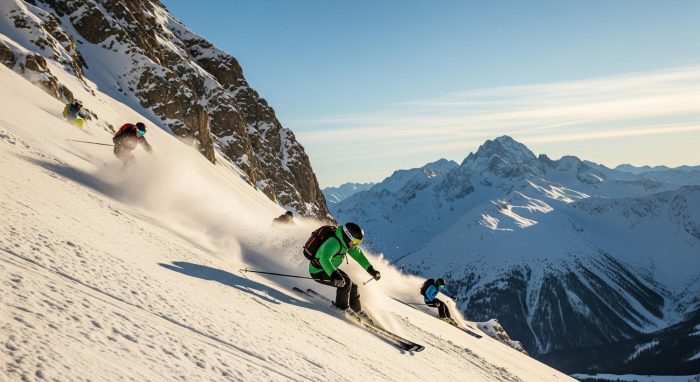
When a skier falls, the natural instinct is often to put the arms out to break the impact. This can lead to:
- Shoulder Injuries: Sprains, dislocations, fractures (including broken collarbones).
- Wrist Injuries: Fractures and sprains.
3. Skier’s Thumb
This specific injury is one of the most common hand injuries in snow sports, often resulting from a fall while still holding a ski pole.
What is Skier’s Thumb?
Skier’s thumb (also known as Gamekeeper’s thumb) is an injury to the ulnar collateral ligament (UCL) located on the inside of the thumb’s main joint (the metacarpo-phalangeal joint). This strong ligament is crucial for stability when pinching or gripping.
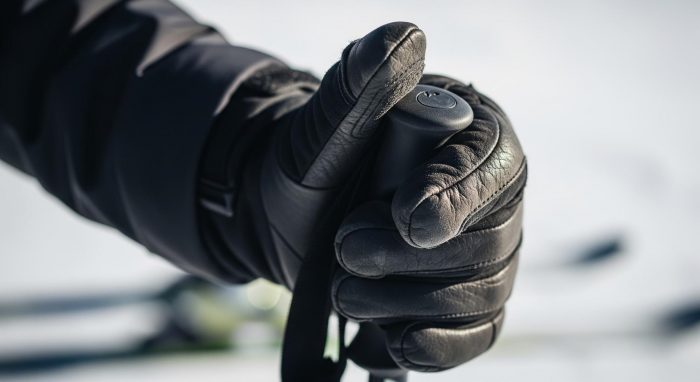
The injury occurs when the thumb is forced outwards and backwards, which happens when a skier falls with their hand still threaded through a ski pole strap, causing the pole to yank the thumb away from the hand.
How to Treat Skier’s Thumb
Treatment for Skier’s Thumb depends on the severity of the tear (partial or complete):
- Partial Tear: The thumb is typically immobilised using a splint or cast for approximately six weeks to allow the ligament to heal, followed by a guided exercise programme to restore movement and strength.
- Complete Tear: A complete rupture usually requires surgery to repair the ligament. This is also followed by a period of splinting and rehabilitation exercises.
In both cases, your doctor or therapist may recommend using a supportive thumb brace for sports or heavy activity, even after the initial healing, to prevent reinjury and offer peace of mind.
Related Product: If you are recovering from Skier’s Thumb or require robust support, consider the Bauerfeind RhizoLoc Thumb Brace.

How to avoid injuries while skiing
Prevention is the most important step in protecting yourself and ensuring a safe holiday. To reduce your risk of injury:
- Achieve Physical Fitness: Skiing is a demanding activity. Engage in a conditioning programme focusing on strengthening your core, legs, and balance months before your trip. This is key to preventing knee injuries while skiing.
- Invest in Lessons: Take professional ski lessons, even if you’re an experienced skier. Lessons improve technique, confidence, and can teach you how to fall correctly.
- Wear the Right Gear: Use a reputable hire shop to ensure boots, skis, and bindings are correctly sized, fitted, and maintained. Bindings that are set too high are a leading cause of knee injuries.
- Use Protective Equipment: Always wear a dedicated ski helmet to reduce the risk of head injury and concussion significantly. Consider wrist guards and pads for added protection.
- Warm Up: Always start your day with a dynamic warm-up and take things easy on the initial runs.
- Know Your Limits: Stick to runs that are within your ability. Most injuries occur when skiers are tired, attempting overly difficult terrain, or taking unnecessary risks. Don’t ski when you’re tired or dehydrated, and never drink alcohol before or during skiing.
Why does my whole body hurt after skiing?
If you’ve ever felt like you’ve been hit by a truck the day after a skiing session, you’re experiencing Delayed Onset Muscle Soreness (DOMS).
Skiing engages muscle groups (particularly the quadriceps, hamstrings, and core) in a unique way that they aren’t accustomed to—specifically, through eccentric contractions (muscle lengthening under tension, such as absorbing bumps and maintaining a squat position). This high-intensity work causes microscopic tears in the muscle fibres, resulting in pain and stiffness 24–72 hours later.
How to ease the pain: Stay hydrated, stretch after skiing, and prioritise rest. Adequate physical preparation before your trip will significantly lessen the severity of DOMS.
Key Takeaways
- Knee injuries (ACL/MCL) are the most prevalent, often resulting from improper binding release during a fall, and can be mitigated by pre-season strengthening and using a supportive brace.
- Skier’s Thumb is a distinct and common hand injury where the ulnar collateral ligament of the thumb is torn when the ski pole yanks the thumb away from the hand during a fall, often requiring immobilisation or surgery.
- The best injury prevention strategies are physical preparation (core and leg conditioning), ensuring correctly fitted equipment (especially bindings), and being mindful on the slopes by warming up and avoiding skiing when tired.
Need Support for Your Next Ski Trip?
Whether you are seeking preventative stability for your knees, need recovery support for an old ankle sprain, or want a high-quality brace for Skier’s Thumb, we have the right gear to support your next adventure. At Brace Yourself, you can shop by Sport, or you can shop for medical supports by body part for ease. For more reading, make sure to check out our Help & Advice blog, where you will find a wide range of articles on common sports injuries and general advice for rehabilitation.
Related Articles

Comments are closed here.