
Living with Osteoarthritis: Everything You Need to Know About Proven Pain Relief & Bracing
Osteoarthritis is the most common form of arthritis in the UK. In fact, it affects around one in ten adults, with the knee being the joint most often involved. Despite how widespread it is, many people are still unsure about what osteoarthritis actually is, what causes it, and what they can do about it.
In this guide, we cover everything you need to know about osteoarthritis. We’ll explain what’s happening inside your joints, walk through the treatment options, and show how the right brace or support can help you manage pain and stay active.
Contents
- What is osteoarthritis?
- What causes osteoarthritis?
- What does osteoarthritis feel like?
- Which joints does osteoarthritis affect?
- Osteoarthritis vs rheumatoid arthritis: what’s the difference?
- How is osteoarthritis diagnosed?
- Can osteoarthritis be cured?
- Osteoarthritis treatment options
- How bracing and supports can help with osteoarthritis
- Exercises for osteoarthritis
- Living with osteoarthritis: tips for daily life
- When to see a doctor
What is osteoarthritis?
Osteoarthritis (OA) is a condition where the cartilage covering the ends of your bones gradually wears down. In a healthy joint, this cartilage acts as a smooth cushion. It allows bones to glide against each other with very little friction. However, with osteoarthritis, the cartilage becomes thinner and rougher. As a result, movement becomes more difficult and often painful.
How does the damage progress?
When cartilage starts to wear, your body tries to repair it. The bone underneath may thicken, and small bony growths called osteophytes can form around the edges of the joint. On top of that, the tissue lining the joint (the synovium) can become inflamed and produce extra fluid, which leads to swelling. In more advanced cases, the cartilage wears away entirely, leaving bone grinding against bone.
It’s worth noting that osteoarthritis isn’t simply a case of joints “wearing out.” Instead, it’s an active process where the body tries to repair damage but doesn’t always get it right. This is also why the condition tends to fluctuate. You’ll often have good days and bad days, rather than a steady decline.
What causes osteoarthritis?
There’s no single cause of osteoarthritis. Rather, it develops when several risk factors work together. Some people face a higher risk than others. Below are the main factors to be aware of:
Age. Osteoarthritis becomes more common as we get older. Our cartilage naturally changes with age, and the body’s repair ability slows down. Most people receive their diagnosis after the age of 45, although younger adults can develop it too, especially after an injury.
Weight. Carrying extra weight puts more stress on your joints, particularly the knees and hips. For example, research suggests that every extra pound of body weight adds roughly four pounds of load to the knee when climbing stairs. On top of that, excess weight drives low-grade inflammation throughout the body, which can speed up cartilage breakdown.
Previous injury. A major joint injury, such as a fracture, ligament tear, or dislocation, can raise your chances of developing osteoarthritis later in life. Doctors sometimes call this post-traumatic osteoarthritis, and it’s especially common among former athletes.
Genetics. Osteoarthritis often runs in families. So if your parents or siblings have the condition, you may face a higher risk yourself.
Gender. Women develop osteoarthritis more often than men, particularly after the age of 50. Hormonal changes around menopause are thought to play a role, although researchers don’t yet fully understand why.
Occupation. Jobs that involve repetitive movements, heavy lifting, kneeling, or squatting can raise your risk. This is especially true for knee and hip osteoarthritis.
Other conditions. Finally, conditions such as rheumatoid arthritis, gout, and certain metabolic disorders can also increase the risk of osteoarthritis in affected joints.
What does osteoarthritis feel like?
Osteoarthritis symptoms tend to develop slowly over time, rather than appearing overnight. They can also come and go, which often catches people off guard. For instance, you might enjoy a few good weeks before a flare-up sets in. Here are the most common symptoms to look out for:
Pain and aching. Most people notice this first. The pain usually gets worse with activity and eases with rest, especially in the early stages. As the condition progresses, however, you may feel pain even when resting or during the night.
Stiffness. Affected joints often feel stiff first thing in the morning or after sitting for a while. Unlike rheumatoid arthritis, where morning stiffness can last for hours, OA stiffness usually eases within 20 to 30 minutes once you start moving.
Swelling. You may notice the joint looks puffy or swollen. Inflammation and excess fluid in the joint cause this.
Reduced range of motion. Bending or straightening the joint fully may become harder over time. As a result, simple tasks like tying your shoes, climbing stairs, or opening jars can feel more difficult.
Grinding or crunching. Some people hear or feel a grating sensation when they move the joint. Doctors call this crepitus. While it sounds alarming, it doesn’t always mean the damage is severe.
Muscle weakness. The muscles around the joint can weaken over time, especially if pain puts you off using the joint. This often creates a cycle: less activity leads to weaker muscles, which in turn makes the joint less stable.
Which joints does osteoarthritis affect?
Osteoarthritis can develop in any joint, but certain areas are affected far more often than others:
Knees. The knee is the most commonly affected joint in the UK. This isn’t surprising when you think about how hard your knees work every day, bearing your body weight, absorbing shock, and handling constant twists and turns. Knee OA can affect the inner (medial) side, the outer (lateral) side, or the area behind the kneecap (patellofemoral joint).
Hips. Hip osteoarthritis often causes pain in the groin, buttock, or down the front of the thigh. It can also make walking, climbing stairs, and getting in and out of chairs much harder.
Hands and fingers. In the hands, osteoarthritis most often strikes the base of the thumb, the fingertip joints, and the middle finger joints. You may also notice small bony lumps forming around these joints over time.
Feet and ankles. The big toe joint is a particularly common site. Osteoarthritis here can make walking painful. Meanwhile, the ankle and midfoot joints can also develop OA, especially after past injuries.
Spine. The facet joints in the neck and lower back can also develop osteoarthritis. This may cause pain, stiffness, and occasionally nerve compression.
Osteoarthritis vs rheumatoid arthritis: what’s the difference?
This is one of the most common questions people ask, and the distinction matters because the two conditions work very differently.
Osteoarthritis is a degenerative condition. It develops when the cartilage in a joint wears down and changes over time. It tends to affect specific joints, especially those that bear weight or have suffered a previous injury. Symptoms usually come on gradually and feel worse with activity.
Rheumatoid arthritis, on the other hand, is an autoimmune condition. The body’s immune system mistakenly attacks the joint lining, triggering widespread inflammation. It tends to affect joints on both sides of the body at the same time (both wrists, both knees, for example) and can also affect other organs. Morning stiffness with rheumatoid arthritis typically lasts much longer, often well over an hour.
If you’re unsure which type you have, your GP can help work it out through blood tests and imaging. You can also find more information on the NHS osteoarthritis page.
How is osteoarthritis diagnosed?
In most cases, your GP can diagnose osteoarthritis based on your symptoms and a physical examination. During the appointment, they’ll check how the joint moves, look for swelling and tenderness, and ask you about your pain, including when it occurs, how long any stiffness lasts, and how it affects your daily life.
Do you need an X-ray?
X-rays aren’t always needed for a diagnosis. However, they can show the extent of joint changes, such as narrowing of the joint space, bone spurs (osteophytes), and changes to the bone itself. Interestingly, the severity of changes on an X-ray doesn’t always match the level of pain someone feels. Some people with major X-ray changes experience very little discomfort, while others with mild changes find the pain significant.
Your GP may also run blood tests to rule out other conditions like rheumatoid arthritis or gout. However, there is no specific blood test for osteoarthritis itself.
Can osteoarthritis be cured?
At present, there is no cure for osteoarthritis. That said, this doesn’t mean you’re out of options. With the right approach, many people manage their symptoms very effectively and see real improvements in their quality of life.
It’s also worth knowing that osteoarthritis doesn’t always get steadily worse. Many people find their symptoms level off, and some even see improvement over time. The key factors are staying active, managing your weight, and using the right support where needed.
Osteoarthritis treatment options
The good news is that there are plenty of ways to manage osteoarthritis. Surgery is only needed in a small number of cases. Instead, treatment usually focuses on reducing pain, keeping you mobile, and helping you stay active. Below is an overview of the main options.
Exercise and physical activity
Exercise is the single most important thing you can do. That might sound counterintuitive if your joints are hurting, but research consistently shows that regular activity reduces pain, improves joint function, and boosts quality of life. Importantly, it doesn’t cause further damage to the joint. In fact, movement nourishes the cartilage and strengthens the muscles that support it.
A mix of strengthening exercises, flexibility work, and cardio is ideal. You don’t need a gym membership either. Walking, swimming, cycling, and home exercises all work well. The NHS recommends at least 150 minutes of moderate activity per week.
Weight management
If you’re carrying extra weight, losing even a small amount can make a noticeable difference. By reducing the load on your joints, you can ease pain and slow the condition’s progression. Combining a balanced diet with regular activity tends to give the best results.
Pain relief
Over-the-counter options like paracetamol and topical anti-inflammatory gels (such as ibuprofen gel) can help you manage pain day to day. For knee osteoarthritis specifically, the NHS recommends trying topical NSAIDs first, as they tend to cause fewer side effects than oral painkillers. If those aren’t enough, your GP can discuss stronger options with you.
Physiotherapy
A physiotherapist can design a tailored exercise programme for you. They’ll also offer manual therapy, advice on pacing your activities, and strategies for managing pain. On top of that, they can teach you how to protect your joints during everyday tasks.
Steroid injections
When pain is more stubborn, your doctor may suggest a corticosteroid injection into the affected joint. These injections can provide relief for several weeks or even months, although doctors generally avoid repeating them too often.
Surgery
Joint replacement surgery (arthroplasty) is usually a last resort. Doctors consider it only when other treatments haven’t provided enough relief and your quality of life is seriously affected. Hip and knee replacements are the most common, and modern artificial joints can last 20 years or more. You can learn more about when surgery might be appropriate on the NHS surgery for osteoarthritis page.
How bracing and supports can help with osteoarthritis
Braces and supports play an increasingly important role in osteoarthritis management, especially for the knee. The updated NICE guidelines (NG226) recommend that people with osteoarthritis who experience joint pain linked to biomechanical issues or instability should be assessed for bracing or joint supports alongside their core treatments.
So how exactly do they help? Here are the main benefits:
Pain reduction
Compression from a well-fitted support improves circulation around the joint and provides a gentle massaging effect during movement. Together, these reduce pain and swelling, making physical activity more comfortable and helping you stay active.
Joint stability
Osteoarthritis can make joints feel unstable and unreliable. A brace adds external support that stabilises the joint, reduces the chance of it giving way, and gives you more confidence when you move.
Improved proprioception
Proprioception is your body’s sense of where a joint is in space. Compression supports stimulate the sensory receptors around the joint, which sharpens this awareness. As a result, your muscles react faster and coordinate better, reducing the risk of further injury.
Offloading
Specialised OA braces, such as unloader braces, shift the load away from the damaged part of the knee. This approach works particularly well for people whose osteoarthritis mainly affects one side of the knee (unicompartmental OA).
Encouraging activity
Perhaps most importantly, bracing gives people the confidence to exercise and stay active. Since exercise is the cornerstone of osteoarthritis management, anything that helps you move more freely can make a big difference to your overall wellbeing.
Types of supports for osteoarthritis
The best support for you will depend on which joint is affected, how severe your symptoms are, and how active you want to be. Here’s a quick overview of the main options:
Compression sleeves. These are lightweight, pull-on supports that provide gentle compression and warmth. They work well for mild to moderate symptoms during everyday activities or exercise. The Incrediwear Knee Sleeve is a popular choice, using semiconductor technology to boost blood flow and speed up the body’s natural healing. It’s comfortable enough for all-day wear and fits easily under clothing.
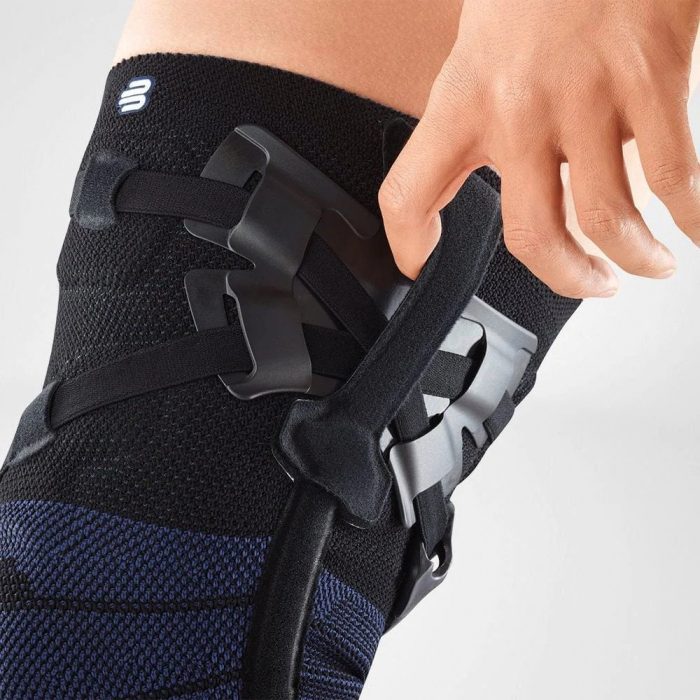
Hinged knee braces. When you need greater stability, hinged braces provide lateral support through built-in joint splints. The Bauerfeind GenuTrain S Pro is a strong option here. It features anatomically shaped splints on both sides of the knee that guide the joint and can limit movement as needed.
OA-specific braces. Some braces are designed specifically for osteoarthritis. They provide targeted relief by redistributing the load across the joint. The Bauerfeind GenuTrain OA is purpose-built for knee OA. It offers targeted stabilisation to encourage more activity and is especially effective for people with unicompartmental OA or those waiting for surgery.
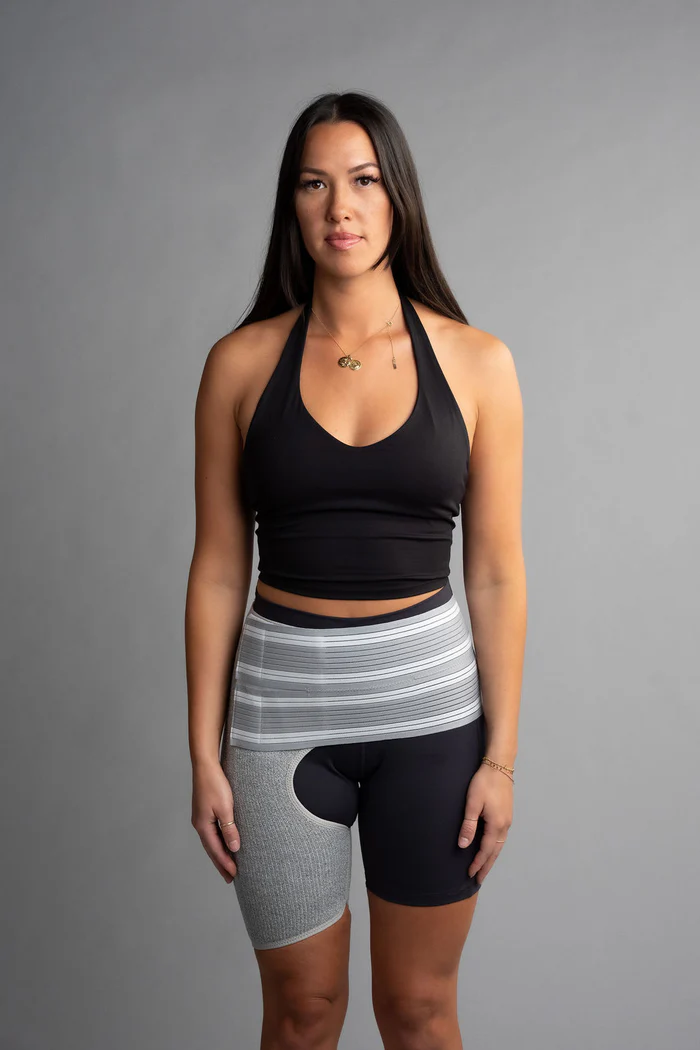
Hip supports. For hip osteoarthritis, the Incrediwear Hip Brace helps by increasing circulation and reducing inflammation around the joint.
Insoles. Orthotic insoles with good arch support can correct foot alignment and take stress off the knees and hips. The FootActive Comfort insoles are NHS-approved and designed by podiatrists. They support the arch, stabilise the foot, and cushion the heel, making them a simple but effective addition for lower-limb OA.
Not sure which option is right for you? Our team can help, or you can speak to a healthcare professional for personalised advice.
Exercises for osteoarthritis
Exercise doesn’t need to be complicated. Below are some simple, effective exercises that can help with osteoarthritis. Always listen to your body and avoid pushing through significant pain. If you’re new to exercise, start gently and build up over time.
For knee osteoarthritis
Seated knee extensions. Sit in a chair with your feet flat on the floor. Slowly straighten one leg out in front of you, hold for 5 seconds, then lower it back down. Repeat 10 times on each side.
Straight leg raises. Lie on your back with one leg bent and the other straight. Tighten the thigh muscles of the straight leg, then lift it about 20cm off the floor. Hold for 5 seconds and lower slowly. Repeat 10 times on each side.
Step-ups. Use a low step or the bottom stair. Step up with one foot, bring the other foot up to join it, then step back down. Start with 5 reps on each side and build up as you feel able.
Wall squats. Stand with your back flat against a wall and your feet shoulder-width apart. Slowly slide down until your knees reach roughly a 45-degree angle (don’t go as deep as 90 degrees). Hold for 5 to 10 seconds, then slide back up. Repeat 5 to 10 times.
For hip osteoarthritis
Hip flexion. Stand and hold onto a worktop for balance. Lift one knee towards your chest as far as feels comfortable, hold for 2 seconds, then lower it. Repeat 10 times on each side.
Hip abduction. While standing and holding on for support, slowly lift one leg out to the side, keeping it straight. Hold for 2 seconds and bring it back. Repeat 10 times on each side.
Bridging. Lie on your back with both knees bent and feet flat on the floor. Squeeze your buttock muscles and lift your hips off the floor. Hold for 5 seconds, then lower slowly. Repeat 10 times.
General activity
Low-impact activities like walking, swimming, cycling, and water aerobics are all excellent choices for people with osteoarthritis. They build strength around the joints and improve heart health without putting too much stress on affected areas. Even short daily walks can make a real difference. For more exercise ideas, take a look at the Versus Arthritis exercise guides.
Living with osteoarthritis: tips for daily life
Managing osteoarthritis goes beyond medication and exercise. Small, practical changes to your routine can also make a big difference. Here are some tips:
Pace yourself. On good days, it’s tempting to tackle everything at once. However, overdoing it can trigger a flare-up. Instead, try spreading your activities across the day and taking regular breaks.
Move regularly. Try not to sit in one position for more than 30 minutes. Getting up for a brief walk around the room helps keep your joints lubricated and reduces stiffness.
Use heat and cold. A warm bath, hot water bottle, or heat pack can ease stiffness and relax tight muscles. For swollen or inflamed joints, on the other hand, a cold pack wrapped in a towel can help bring down the swelling. Try both to see which works best for you.
Adapt your environment. Simple changes at home can make a real difference. For example, using a higher chair, fitting a handrail by the stairs, or switching to kitchen tools with thicker handles can all take strain off sore joints.
Look after your mental health. Living with long-term pain can be tough mentally. It’s completely normal to feel frustrated, low, or anxious at times. Talking to your GP, a counsellor, or a support group can help. Versus Arthritis offers a helpline and online community where you can connect with others in similar situations.
Wear supportive footwear. Shoes with good arch support and cushioning reduce the impact on your knees and hips with every step. Orthotic insoles like the FootActive Comfort can add extra support and correct alignment issues that may be making your pain worse.
When to see a doctor
While you can manage many aspects of osteoarthritis at home, there are times when you should speak to your GP. Make an appointment if:
- Your joint pain or stiffness hasn’t improved after a few weeks of self-management
- Your symptoms are seriously affecting your sleep, work, or daily activities
- Pain is stopping you from staying physically active
- You experience sudden, severe joint pain or swelling
- You notice a high temperature, redness, or heat around a joint, as this could point to an infection
- You’d like guidance on choosing the right type of brace or support
Getting a diagnosis early gives you the best chance of managing the condition well and staying active for years to come.
This guide is for informational purposes only and should not replace professional medical advice, diagnosis, or treatment. If you’re experiencing joint pain or think you may have osteoarthritis, please speak to your GP or a qualified healthcare professional.
Need help choosing the right brace or support for osteoarthritis? Our team at Brace Yourself is happy to help. Call us on 0800 368 8964 or browse our knee and thigh supports and performance and recovery products.

Comments are closed here.