
Ankle Sprains: Symptoms, Treatment and Supports
Sprained ankles are among the most common lower limb musculoskeletal injuries in the UK, with up to 70% of people likely to experience it in their lifetime. Whether you sprain your ankle in a hotly contested sports match or fall victim to uneven terrain while out and about, it hurts all the same. Here, we discuss the initial treatment for ankle sprains and how to support it throughout your recovery.
Contents
Sprained ankle vs broken ankle
How long does a sprained ankle take to heal?
When to worry about a sprained ankle
Should you wear a brace for a sprained ankle?
Ankle braces at brace-yourself

Ankle sprains happen when you roll over the outside of your foot and your foot turns inwards. Spraining your ankle happens fast, leaving you no time to react. The sudden twisting force causes an inversion injury, damaging the ligaments and muscles.
Less commonly, the opposite can occur when the ankle moves over the inside of the foot, injuring the inner ligaments. You can also pick up a sprain from your foot flexing upwards rapidly or twisting your body while your foot stays flat on the ground.
Sprained ankle symptoms
Symptoms of a sprained ankle will vary depending on the severity of the injury. Some symptoms may be felt immediately, while others may come on afterwards. Symptoms include:
- Pain can vary from mild to severe and may worsen with movement or weight-bearing.
- Swelling in the ankle and surrounding areas.
- Bruising may be visible immediately or come on in the days after injury.
- Restricted movement through the joint. You might be unable to move your ankle through its normal range of motion or walk on it.
- Unstable feeling when trying to weight bear.
- Tender to the touch.
Sprained ankle vs broken ankle
Injuring your ankle is painful, and many of the symptoms of sprains and breaks overlap, making it difficult to identify what’s happened. Determining your injury is crucial to ensure you receive proper treatment.
If you have broken or fractured your ankle, you may have the following symptoms in addition to the symptoms of a sprain.
- You might have heard a noise when the injury occurred.
- If your ankle is at an odd angle or deformed in any way, it will likely be broken.
- If the pain worsens over time, it is more likely to be broken.
- If you have some numbness in addition to the pain, this also signals a break.
If you suspect you have broken your ankle, it’s important to seek medical help as soon as possible. An X-ray will be conducted to determine if it’s broken.

How long does a sprained ankle take to heal?
The healing time for a sprained ankle depends on the severity of the injury. Mild sprains usually feel better after 2-3 weeks, whereas severe sprains can take months to return to normal. Correct treatment is key to making a recovery from an ankle sprain as smooth as possible.
How to treat a sprained ankle
Following the RICE protocol is the first port of call when treating a sprained ankle. RICE stands for rest, ice, compression and elevation and is especially important in the first 48-72 hours after injury.
Rest: Avoid putting weight on your ankle as far as possible. Don’t do anything strenuous in the first few days. If your sprain is severe, you might need crutches to get around.
Ice: Apply an ice pack to the ankle for 15-20 minutes several times daily. A bag of frozen peas works just fine. Ensure the ice pack is wrapped in a towel so you don’t irritate your skin.
Compression: Use a bandage to wrap the ankle, ensuring it is snug but not too tight that it restricts blood flow. Compression helps limit swelling and provides support.
Elevation: To reduce swelling, keep your ankle elevated as much as possible, especially when sitting or lying down.
When to worry about a sprained ankle
While many mild sprains can be treated at home with the RICE protocol, some require more specialist treatment. If you experience any of the following, you need to seek immediate medical attention:
- You can’t put any weight on your foot or ankle.
- Significant swelling, bruising, or colour changes in the foot, ankle or leg.
- Consistent pain that disrupts sleep.
- You’re showing signs of infection, like fever, chills, night sweats, or feeling unwell.
You should see a doctor or other healthcare professional if you are experiencing the following:
- Pain or swelling that doesn’t improve with RICE measures.
- Difficulty putting weight on the ankle.
- Instability or feeling like the ankle might “give way”.
- Persistent pain after a few weeks of self-care.
- Numbness or tingling sensations.
Continue home treatment in case of the following:
- Mild to moderate pain and swelling.
- You can still bear some weight through the ankle.
- You have no other worrying symptoms.
Should you wear a brace for a sprained ankle?
Braces can be very beneficial for ankle sprains. If you think your recovery would be aided by one, you should consult your doctor or medical professional before proceeding.
Traditionally, moderate to severe ankle sprains were immobilised in a cast or orthopaedic boot. However, the more up-to-date approach is to expose more severe sprains to “protected movement”.
Joints don’t have a blood supply; instead, they rely on synovial fluid to provide oxygen and nutrients and carry away waste. Movement is crucial to this process. A brace can protect the joint and provide stability while still allowing some healing movement.
Ankle braces at brace-yourself
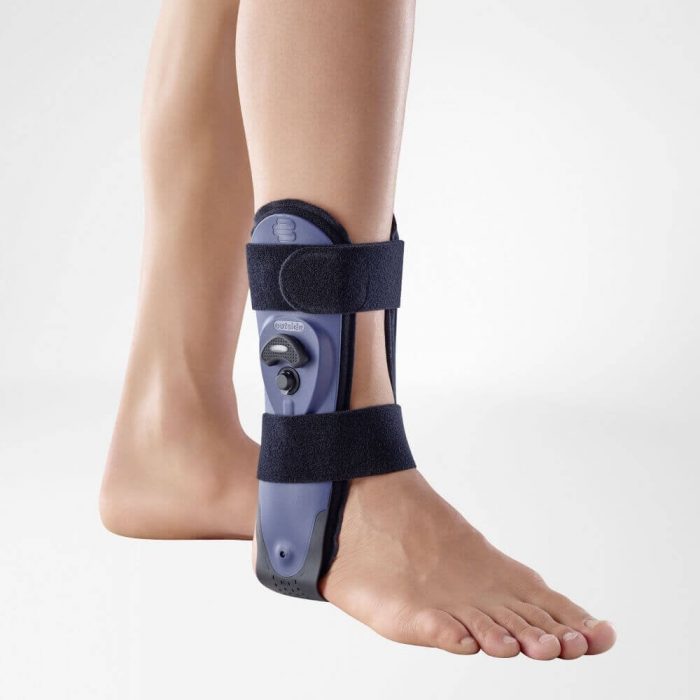
Bauerfeind AirLoc
The Bauerfeind AirLoc brace is a great option for ankle sprains as it helps stabilise the joint and protect against further spraining. The AirLoc brace is particularly helpful for recent injuries where your ankle needs more support. The two plastic shells are lined with extensive cushioning that contours to the ankle, accounting for swelling with an adaptable air pump that can be adjusted throughout the recovery process.
Bauerfeind CaligaLoc
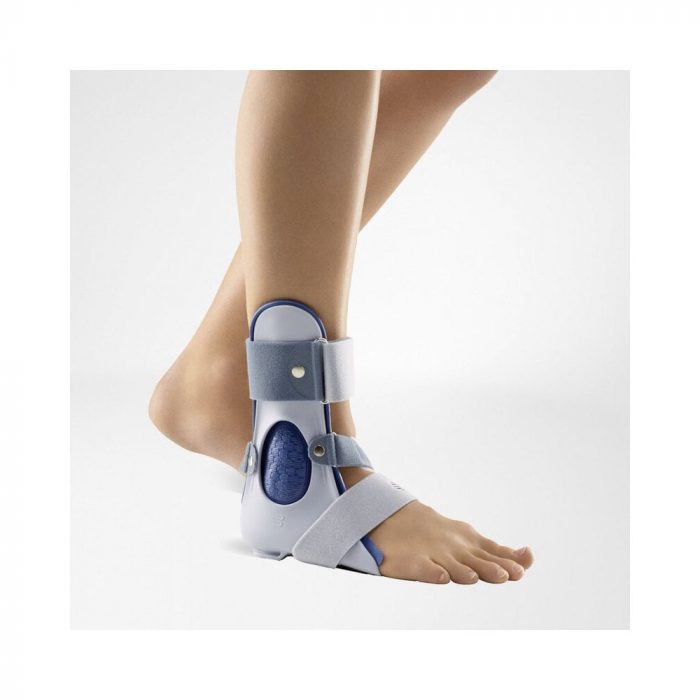
The CaligaLoc brace stabilises a sprained ankle with an L-shaped shell with a raised heel to relieve the lateral ligaments for relief after injury. By partially immobilising the ankle and relieving pressure on the ligaments, it helps you heal in the correct position while allowing some movement and blood flow to the area.
Bauerfeind MalleoTrain
The MalleoTrain stabilises and gives the wearer confidence for milder sprains or later stages of ankle sprain recovery, helping them return to everyday activities. The knitted material compresses the surrounding soft tissue, providing pain relief and a massaging effect while controlling the pressure on the area.
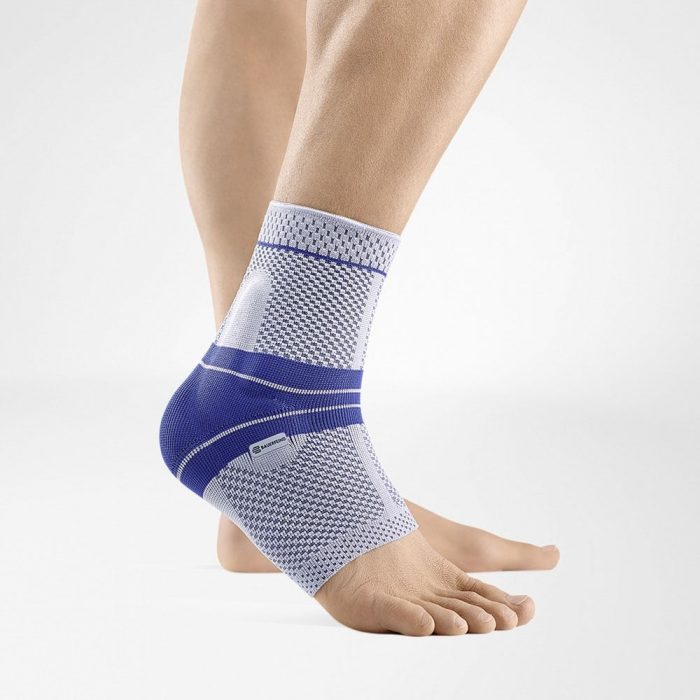
Bauerfeind MalleoTrain S Open Heel
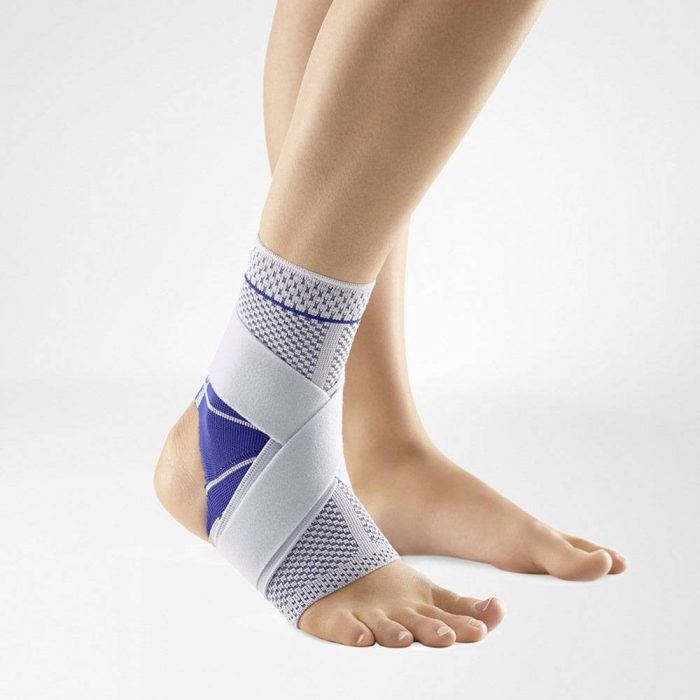
The MalleoTrain Open Heel is a great option for barefoot athletes looking for support as they return to sports. Dancers, gymnasts and martial artists require more ground contact, which is boosted by the open-heel design and lightweight material. The velcro fastening makes it easy to adjust. It helps stabilise the ankle to prevent lateral twisting without affecting normal movement.
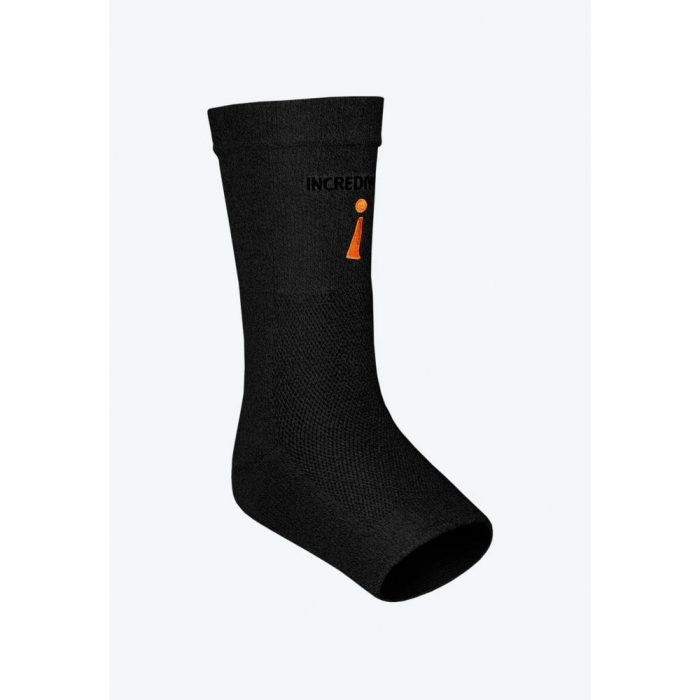
Incrediwear Ankle Sleeve
The Incrediwear Ankle Sleeve uses semiconductor-infused fabric to aid your body’s natural healing following an ankle sprain, encouraging blood flow to the area. This sleeve provides support and stability while allowing healing movement in the joint.
Bauerfeind Sports Ankle Support
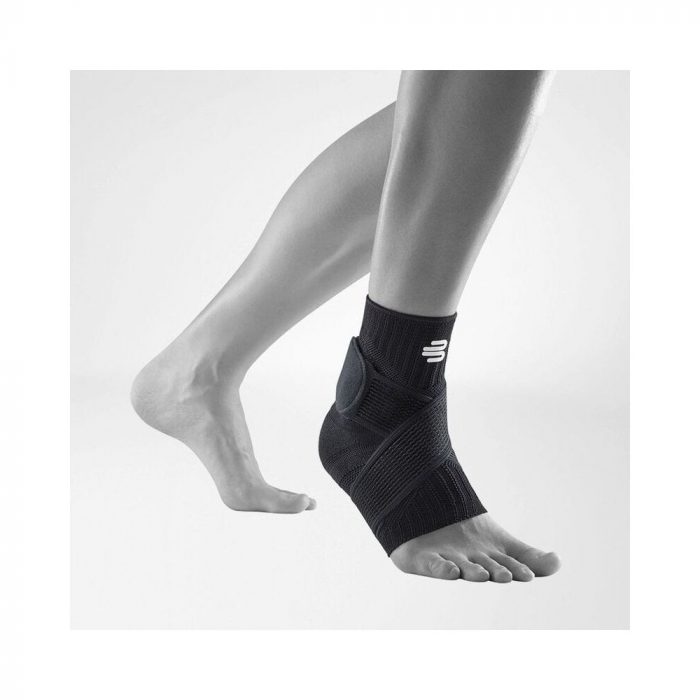
For those looking to return to sport after an ankle sprain, the Bauerfeind Sports Ankle Support provides stability and confidence as you return to your usual self. The compression and taping strap helps stabilise the ankle. At the same time, the knitted fabric provides gentle massaging to encourage blood flow to the joint.
Discover premium sports and orthopaedic bracing at brace-yourself
Whether you are a professional athlete, enjoy being active or are looking for support in your day-to-day activities, brace-yourself is here to help. We offer a wide range of medical supports, orthopaedic shoes and insoles, sports supports and much more.
We also offer braces and equipment for professionals, including physiotherapists and sports clubs. Open a trade account with us today or contact us for more information.

Comments are closed here.