
Most Common Tennis Injuries & How to Avoid Them
Tennis is a fantastic sport for observers and participants alike. It offers a full-body workout, exercising the strategic part of the brain and is a fun way to get the heart pumping. Like any sport, tennis comes with a set of injury risks. It is tough on the body, with many tennis players, both amateur and top-level, suffering from common injuries to the shoulders, knees and wrists. Whether you’re a seasoned pro or just beginning to ace your serve, understanding common injuries and how to prevent them is key to staying on the court.
Contents
What are common injuries in tennis?
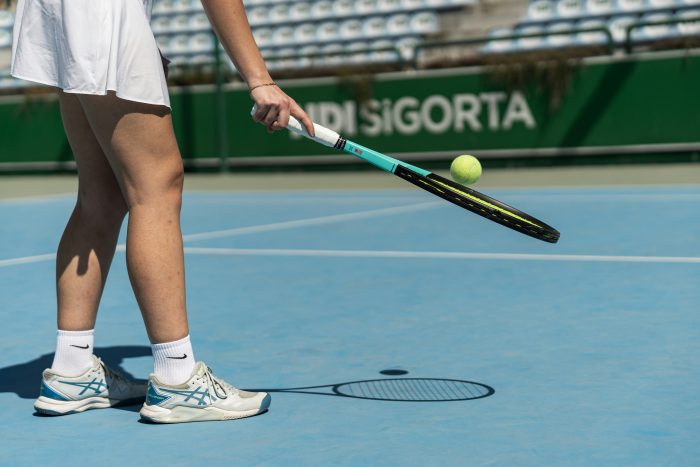
What are common injuries in tennis?
The repetitive nature of tennis means that most injuries are related to overuse. Repeating the same actions eventually causes the tissues in your joints to break down. Overuse injuries happen from doing too much of the same movement or doing the movement incorrectly.
However, acute injuries are also common in tennis due to the more explosive movements required from the lower body.
Shoulder injuries
The shoulder is a flexible joint that lends itself to tennis, but with flexibility comes instability.
Rotator cuff tendinopathy
A common injury causing inflammation and swelling of the rotator cuff tendons, a group of four muscles and tendons responsible for stabilising the shoulder joint. Overuse and repetitive motions in sports like tennis lead to pain and weakness in the shoulder, especially during lifting and rotating.
Rotator cuff impingement
This occurs when the rotator cuff tendons are pinched or compressed as they pass through a space in the shoulder joint, causing pain and inflammation. The pain is often worse when lifting the arm above the head or doing rotating movements.
Labral tear
A labral tear in the shoulder is a tear in the labrum, a cartilage ring surrounding the shoulder joint socket. It causes pain, instability and limited movement, especially overhead and lifting. Labral tears can also cause stiffness in the shoulder, making it feel like it’s locking or catching during movement. The repetitive movement of tennis, particularly overhead motions, makes this a common injury within the sport.
Tennis elbow
As the name suggests, tennis elbow is one of the most common tennis injuries. It’s an overuse injury causing chronic inflammation in the tendons outside the elbow. Less commonly, tennis elbow can come on acutely from a mis-hit of the ball. The pain can be felt in the arm, wrist, and even the fingers, making it difficult to lift, grip and twist the wrist. It usually causes particular trouble for the backhand in tennis. Learn more about this condition and how to support it in our How to Wear a Tennis Elbow Brace guide.

Knee and ankle injuries
Fast sprints, sudden pivots and quick movements make the lower limbs prone to injury in tennis.
ACL injuries
While not the most common, ACL injuries can happen in tennis due to sudden stops and changes in direction. The knee strain during tennis can make them more susceptible to ACL injury.
Patellar tendonitis “jumper’s knee”
Like many common injuries in tennis, patellar tendonitis or “jumper’s knee” is caused by overuse. It causes pain and inflammation in the patellar (kneecap) tendon, which connects the kneecap to the shinbone. Repeated jumping and landing motions often cause it.
Ankle sprains
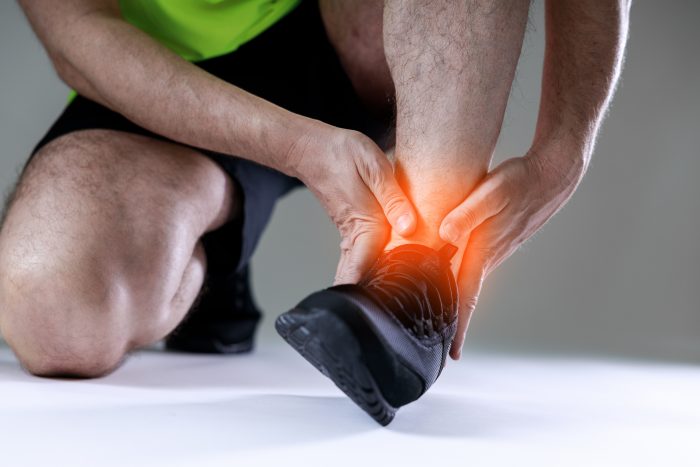
The ankles come under a lot of strain in tennis due to the quick changes in direction, sudden movements and explosive actions. Ankle sprains affecting the outer ligaments are most common, causing pain, swelling, bruising and difficulty weight bearing.
How to avoid tennis injuries
Like any sport, injuries are unavoidable in tennis, with even the highest-level players falling victim to the common issues we’ve discussed.
Prevention is better than cure, and while you can’t avoid injury completely, there are plenty of ways to mitigate your risk to ensure you can play safely and pain-free.
Technique
Correct technique benefits your game and avoids injuries, whether you’re a tennis newbie or a top-level player. The correct serving and stroke actions are important for avoiding injury to the wrist and elbow. Players should also use their full body within their swinging action to avoid relying too heavily on the arm. If you want to play tennis regularly, it’s worth seeking help from a coach to ensure your technique is correct to avoid getting injured early in your journey.
Correct equipment
The right equipment is very important to preventing injury. Choosing the right racquet and string tension protects the arm and shoulder. You’ll also need appropriate shoes suited to your foot type and the surface you’re playing on.
Warming up and cooling down thoroughly
While most people know that warming up before exercise is important, many neglect to cool down properly. A thorough warm-up and cool-down routine will help prevent injuries and stop you from feeling too achy the next day!
Time spent playing
Many of the common tennis injuries mentioned are caused by overuse and overexertion. Your body needs time to rest between training and matches. It’s also important to take breaks during sessions and stay hydrated.
How to manage tennis injuries
Proper management will ensure a quick and smooth recovery if you get injured.
Initial treatment
Prompt treatment is key to managing an injury. Treatment will depend on what injury you have. More ongoing overuse injuries will need a long-term plan, whereas acute injuries like sprains will need to be dealt with as soon as they happen.
The RICE protocol applies to almost all sprains; rest, ice, compression, and elevation of the affected area help alleviate symptoms and promote healing from the early stages of injury. A medical professional should also check more serious sprains, as they may require an X-ray to determine whether there is a break or fracture.
Supports
Injuries like tennis elbow, rotator cuff injuries and sprains can take weeks, even months, to heal. Always seek professional advice if you start feeling pain and discomfort. A medical professional can help you seek the right treatment, whether that means an extended period of rest or physiotherapy, or it can be managed differently.
Brace-yourself has a vast range of supports and sleeves that can aid recovery following common tennis injuries. We have options from leading brand Incrediwear, whose products are trusted by the highest-level tennis players and even appear on the Wimbledon and US Open courts.
Always consult a professional who can advise whether these products are right for you and your injury.
Knee support – Incrediwear Knee Sleeve

The Incrediwear Knee Sleeve accelerates recovery and relieves pain from acute and chronic joint injuries. With a signature fabric blend embedded with semiconductor elements, this knee sleeve increases blood flow and natural healing processes while remaining breathable and comfortable.
Shoulder support – Incrediwear Shoulder Brace
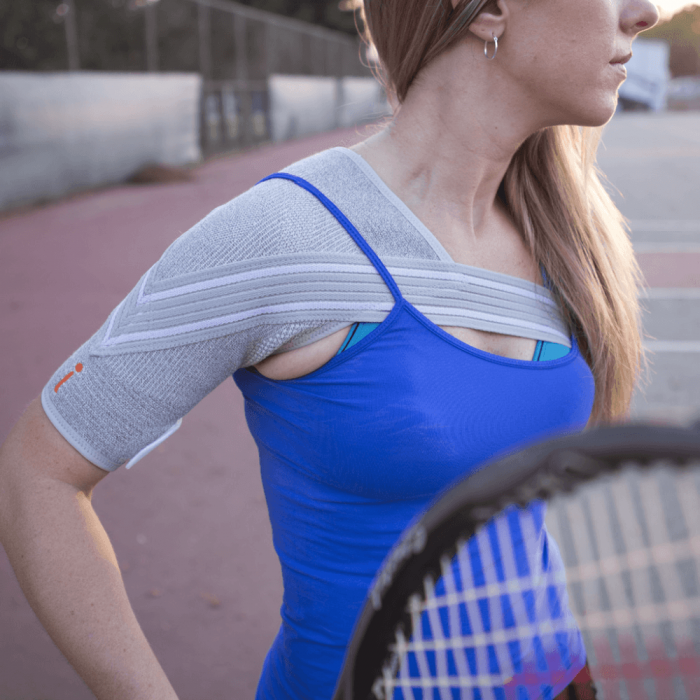
Incrediwear’s shoulder brace provides support and pain relief from shoulder injuries during and after activity. Whether it’s a rotator cuff injury or tendonitis, the specialist fabric encourages the body’s natural healing process and reduces pain without restricting mobility.
Elbow support – Incrediwear Elbow Sleeve

If tennis elbow is throwing you off your game, the Incrediwear elbow sleeve provides lightweight support that can be worn during and after activity to promote healing. The gentle compression and natural semiconductor elements encourage blood flow to the area, providing the joint with the oxygen and nutrients required to heal.
Wrist support – Bauerfeind Sports Wrist Strap
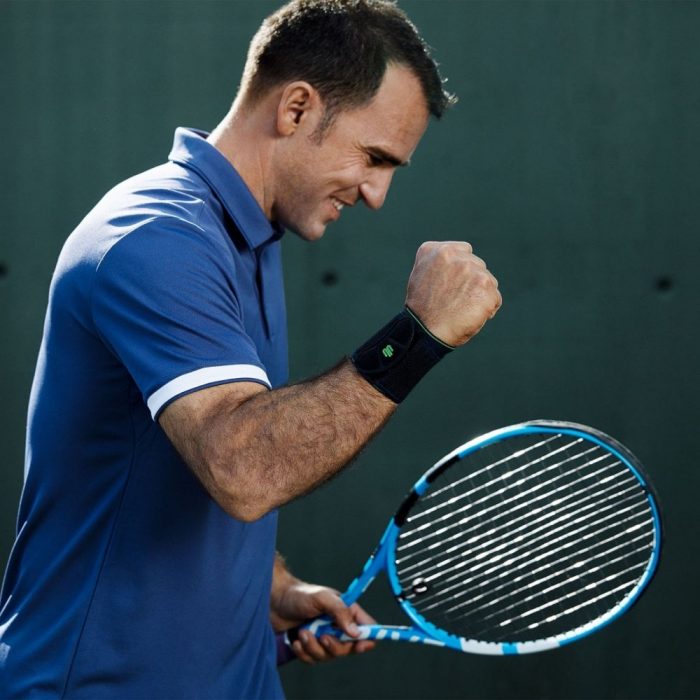
Bauerfeind wrist straps provide stability and reduce load through the wrists, making them an ideal choice for keen tennis players who want to protect their wrists. They use targeted pressure to relieve the wrists, which can be tailored to your needs with the adjustable straps.
Ankle support – Bauerfeind Sports Compression Ankle Support
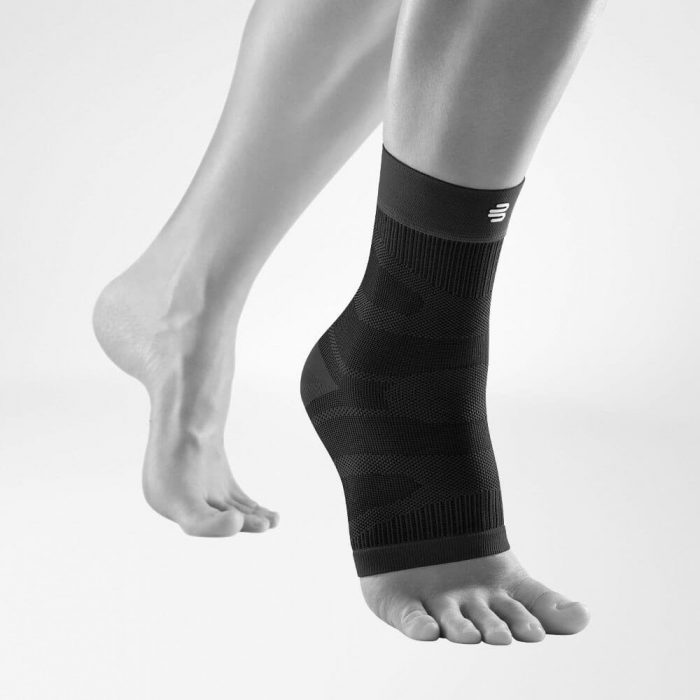
The Bauerfeind sports compression ankle support provides lightweight yet robust support to the ankle. Whether recovering from an injury or looking for stability during your game, this support improves joint perception. It reduces the risk of injury while promoting healing blood flow to the area.
For further information, read our guide to ankle sprains and how to support them.
Find support for common tennis injuries at brace-yourself
With our extensive collection of premium sports and orthopaedic bracing, you will find support for common tennis injuries and beyond at brace-yourself. Explore the sports collection for various supports, insoles and compression options, or find braces and sleeves in our performance and recovery section.
Are you a tennis coach? Are you looking for braces and support at your club? We supply braces and equipment for professionals. Open a trade account with us today, or get in touch for more information.
Read next
Ankle Sprains: Symptoms, Treatment and Support

Comments are closed here.