
What is Arthritis? And How to Support It
Over 10 million people in the UK are affected by arthritis. That means one in six people are living with discomfort caused by this condition. Arthritis can affect anyone of any age and can be debilitating in severe cases.
Here, we are taking a closer look at arthritis and its different forms. We will explore the causes of arthritis and look at some support options to help relieve and manage symptoms alongside a specialist treatment plan.
Contents
What are the different types of arthritis?
What does arthritis feel like?

What is arthritis?
Arthritis is a term that refers to joint pain or disease that causes pain and inflammation in a joint. There are many types of arthritis and it affects millions of people in the UK of all ages. Arthritis is diagnosed differently depending on the type but usually involves a mix of physical examination, blood tests and imaging tests like X-ray, MRI and Ultrasound scans.
What are the different types of arthritis?
Osteoarthritis and rheumatoid arthritis are the most common types of arthritis, though there are 100s of different types of arthritis and related conditions.
Osteoarthritis
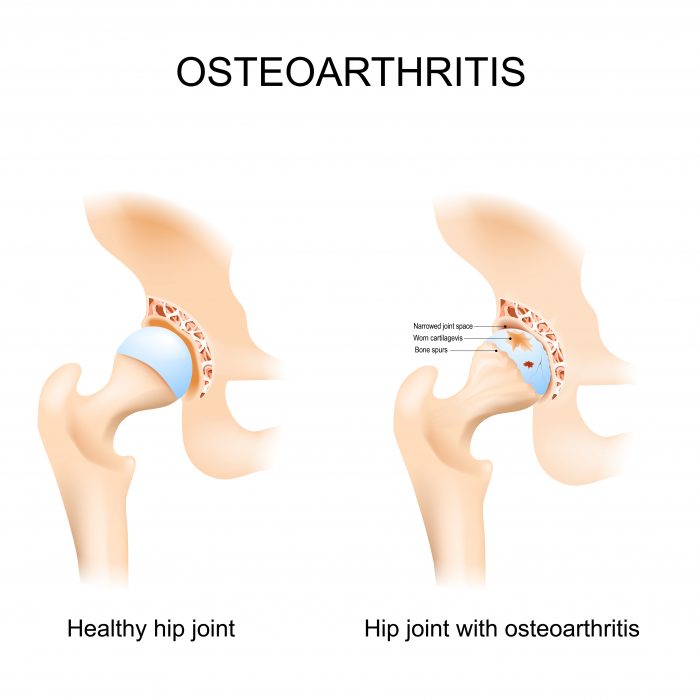
Osteoarthritis is the most common type of arthritis in the UK. It typically develops in people in their mid-40s or older and is more prevalent in women.
This type of arthritis generally occurs due to family history but can also be brought on by injury.
Osteoarthritis was once considered a “wear and tear” disease where the cartilage wore down over years of use. Through research, it became known that osteoarthritis is a disease of the whole joint, as once the cartilage lining starts to roughen and thin, the tendons and ligaments have to work harder, causing swelling and the formation of bony spurs called osteophytes.
In severe cases, osteoarthritis can lead to the bones being forced out of their normal position and the joint changing shape.
The most commonly affected joints are the hands, spine, knees and hips.
Rheumatoid arthritis
Rheumatoid arthritis is less common than osteoarthritis. It happens when the body’s immune system mistakenly targets the cells that line your joints, leading to pain and swelling.
It tends to occur in people between 30 and 50 years old and, like osteoarthritis, is also more common in women.
The synovium, the outer covering of the joint, is affected first. It can then spread across the joint, leading to further inflammation and even shape changes. This can cause the bone and cartilage to break down.
The exact cause of rheumatoid arthritis isn’t known. Still, the consensus is that an environmental factor such as stress or a virus can trigger it in genetically predisposed people. Those with rheumatoid arthritis can develop problems with other organs and tissues in the body, including the lungs, heart and eyes.
Gout
Though quite medieval sounding, gout is a relatively common form of inflammatory arthritis that causes sudden, severe joint pain. It’s brought on by a buildup of uric acid in the body, a natural waste product from your body breaking down chemicals in food and drink. While gout can occur in any joint, it’s most prevalent in the big toe and is more prevalent in men than women.
Lupus
Systemic lupus erythematosus, or lupus, is a long-term condition causing joint pain, skin rashes and tiredness.
Similarly to rheumatoid arthritis, lupus is an autoimmune condition where the immune system mistakenly attacks healthy cells in the body. The symptoms of lupus are more wide-ranging, and can include:
- Joint and muscle pain
- Extreme tiredness that doesn’t go away with any amount of rest
- Rashes over the nose and cheeks
- Headaches
- Mouth ulcers
- Hair loss
- Weight loss
- Swollen glands
- Chest and stomach pain
- Poor mental health
- Raynaud’s syndrome
Enteropathic arthritis
This is a form of chronic inflammatory arthritis associated with inflammatory bowel disease. The two main types are ulcerative colitis and Crohn’s disease. The lower limbs and spine are most commonly affected by inflammation.
Ankylosing spondylitis
This is a long-term condition in which the spine and other areas of the body become inflamed. It causes fatigue, back pain, stiffness, and inflammation in other parts of the body.
There is also a condition called cervical spondylosis, which causes neck and shoulder pain.
Psoriatic arthritis
This type of arthritis affects people with the skin condition psoriasis. The symptoms include joint pain, swelling and stiffness, swollen fingers or toes, nails changing colour or developing small dents or pits and low energy.
What does arthritis feel like?
There are many different symptoms of arthritis, and they vary depending on the type. Osteoarthritis feels very different to lupus, for example.
However, people with a form of arthritis generally experience one or more of the following:
- Joint pain, tenderness and stiffness
- Inflammation in and around the joints
- Restricted movement in affected joints
- Warm, red skin over the affected area
- Weakness and muscle wasting
What causes arthritis?
The cause of arthritis is also dependent on the type. Some types occur due to family history; sometimes, it’s from injury, some people develop it through ageing, and others develop it from an autoimmune condition. It’s difficult to name an exact cause of arthritis, but we can look at some risk factors that make developing arthritis more likely.
- Age: Arthritis can develop at any age, but the risk increases as you get older.
- Sex: Women are more likely to develop osteoarthritis and rheumatoid arthritis than men, but men are more likely to develop gout.
- Family history: Rheumatoid arthritis, lupus and ankylosing spondylitis can be passed on through genetics.
- Weight: Being overweight or obese can put you at higher risk of developing arthritis, especially in the knees, due to additional stress on the joints.
- Smoking: Smokers can be at increased risk of developing rheumatoid arthritis and can make existing arthritis worse.
- Infection: Some infections cause joint swelling and redness, which can increase the risk of arthritis. Lyme disease, staphylococcus and gonorrhoea all cause swelling in the joints.
Injury: Some joint injuries can increase the risk of developing osteoarthritis later in life.

How to prevent arthritis
It’s impossible to prevent arthritis entirely. However, you may be able to minimise your chances of it developing by mitigating as many risk factors as possible. Of course, there’s nothing you can do about age, sex, and family history, but keeping yourself fit and healthy will help.
Exercise
Keeping a frequent exercise routine is a great way to mitigate your risk of arthritis. A good balance of strength and aerobic training is recommended. It’s important to be mindful of your exercise routine, as putting too much stress on the joints with high-impact activities can do more harm than good. Find what works for you, and always listen to your body.
Posture
Try and maintain a good posture and avoid staying in the same position for too long. If you work at a desk, ensure you have your chair at the right height and can put your feet flat on the floor. Take regular breaks to move around and stretch.
Weight loss
If you are overweight or obese, you may want to try and lose some weight to reduce your risk of developing arthritis and the strain on your joints. You can find lots of free advice and resources for losing weight and quitting smoking on the NHS Better Health site.
Arthritis supports
Arthritis treatment depends on the type you have. It’s important to seek professional medical advice for a proper diagnosis and treatment plan.
To aid your arthritis treatment, different supports can help keep your joint stable and support it through your everyday activities.
Wrist supports for arthritis

Bauerfeind Manuloc Rhizo is a great wrist support for arthritis. It immobilises the wrist in a functional position to relieve discomfort and relax the ligaments.
It’s easy to put on and take off with one hand and is lightweight for additional comfort.
Elbow supports
The EpiTrain Support by Bauerfeind helps stabilise the elbow while relieving pain through medical compression and massaging effects. The breathable, latex-free material is comfortable to wear for long periods, keeping the elbow compressed without feeling restricted.

Knee support for arthritis

The Genutrain Knee Brace relives arthritis pain by stabilising the joint by balancing the load through the knee more dynamically. It relieves pain, stimulates blood flow and compresses the tissue for a massaging effect. With breathable, skin-friendly materials that adapt to your movements, this knee support for arthritis is comfortable to wear for long periods.
Finger exercisers
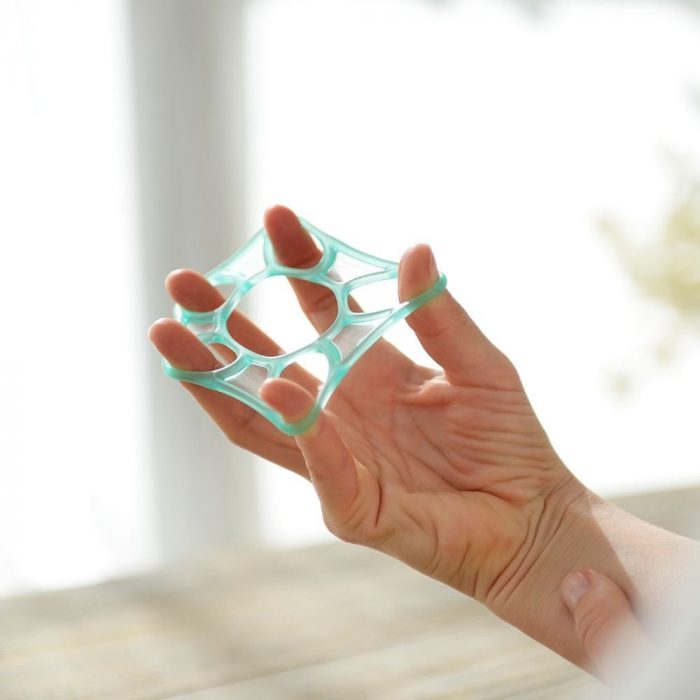
Using the Sissel Finger Exerciser helps improve dexterity, flexibility and strength in the finger and thumb, as well as improving strength in the forearm and wrist. Building strength in these areas helps relieve arthritis pain and improve joint function.
Find support for arthritis at brace-yourself
Arthritis can be a painful condition to live with, but help is available. This blog is intended only as a guide, and you should seek medical advice if you think you have arthritis.
Alongside a specialist treatment plan, our wide range of medical supports can help alleviate the discomfort caused by arthritis, keeping you moving and enjoying your daily activities.
Read next
A complete guide to knee injuries
What is focal vibration therapy, and how it helps ease pain
How to support bunions and best bunion supports to ease pain

Comments are closed here.