
How to Prevent Bunions & Ease Bunion Pain
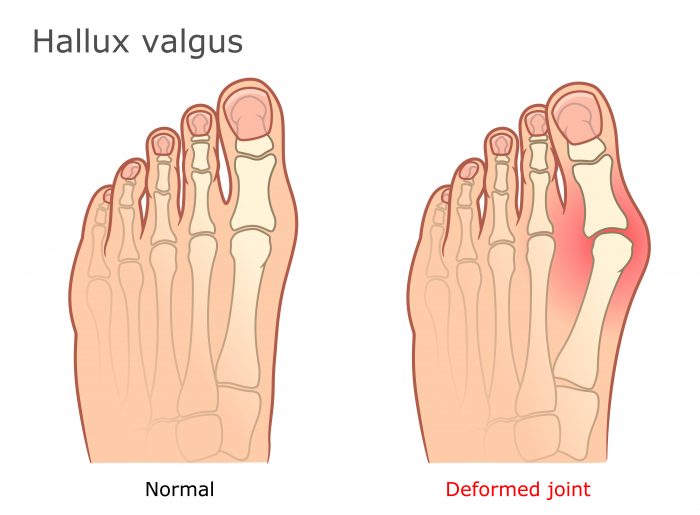
If you suffer from hallux valgus or bunions, you don’t need reminding how uncomfortable they can be. This bony growth, which forms on the inside of the big toe joint, can cause pain, irritation, and discomfort, upsetting your daily routine.
Sadly, once a bunion has formed, there is no way of getting rid of it. However, if you think you could be at risk, there are ways to prevent bunions from forming before they become a big problem.
Here, we will be discussing the preventative measures you can take to avoid bunions.
Contents
What is the main cause of bunions?
What does bunion pain feel like?
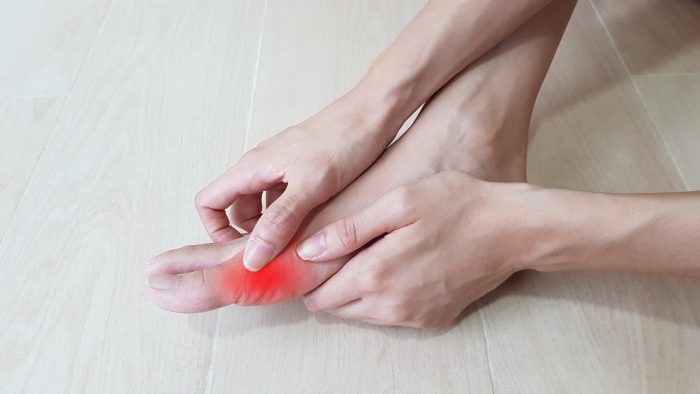
How to prevent bunions?
The best way to prevent bunions is to mitigate as many risk factors as possible. While family history and health problems cannot be avoided, you can control other factors.
Lifestyle changes
Fitness levels are an important lifestyle factor in preventing bunions. Staying fit isn’t all about weight loss; it protects your overall health and well-being, including preventing bunions. Strength training is one of the best things you can do, even at lower levels like light weightlifting or resistance training, as it strengthens the joints and prevents bunions from forming.
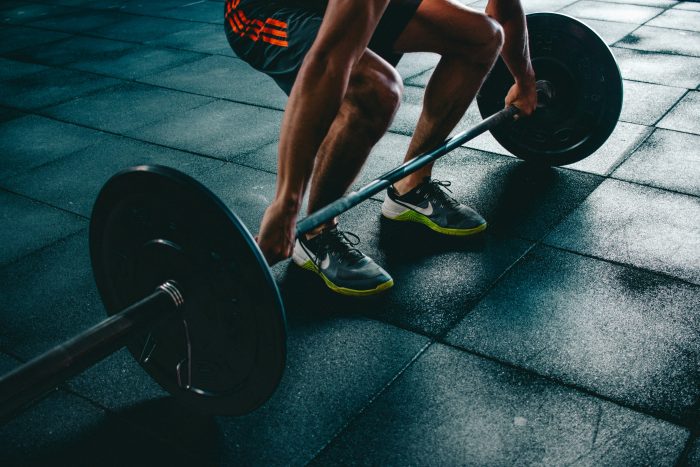
Aside from exercise, lifestyle also refers to managing your daily routine. Those in jobs where you’re on your feet all day, every day, may want to take precautions to prevent bunions from forming. Nurses, postal workers, teachers, retail workers or emergency services can be more prone to bunions or foot pain. To prevent discomfort, try and incorporate the following:
- Taking short breaks to sit down every hour (if you can).
- Wearing split-toe bunion socks or gel inserts.
- Avoid wearing narrow shoes, high heels or pointy shoes too regularly.
- Regularly check your feet for any changes in shape, and note any frequent problems like blisters or corns.
Footwear
It’s important to consider your footwear to prevent bunions from developing. Check for the following qualities when shopping for your next pair:
- A wide fit – especially across the toes to ensure your big toe and pinky toe aren’t pressing against anything.
- Additional arch support if you have flat feet.
- Enough room—it seems obvious, but ensure your feet have some space to move around in the shoe and don’t put too much pressure on any part of the foot.
Specialist bunion footwear – look to brands like Hallufix for specially designed footwear that supports and gently corrects bunions.
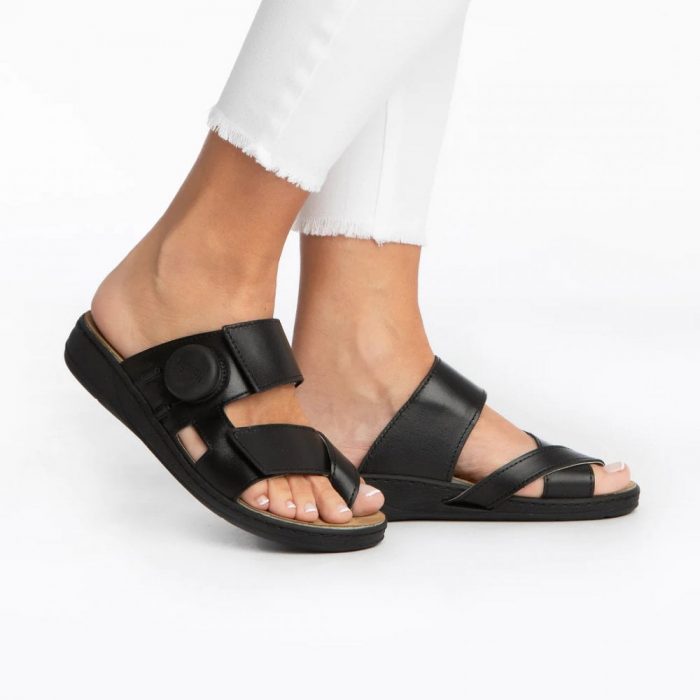
Hallufix Hallux Valgus Therapy Sandals
Exercises
You may be surprised that you can exercise your feet to prevent bunions. By strengthening the muscles around the big toe, you can help it stay in place.
- Use pebbles, marbles, or any other little trinkets you might have, put them on the floor and use your toes to pick them up.
- Sit with your feet on the floor, then try to lift and spread your toes.
- Use a rolled-up towel and try and use your feet to pick it up at either end.
What is the main cause of bunions?
The main cause of bunions is prolonged pressure on the feet that pushes the big toe toward the second toe. This can happen due to the shoes you wear, your foot alignment, or other risk factors such as the following:
- Family history – particularly if your parents have bunions.
- Spending lots of time on your feet – whether at work or a hobby.
- Being overweight can put additional pressure on your feet and toe joints.
- Feet complications from diabetes.
- Rheumatoid arthritis, or family history of the condition.
- Flat feet.
What age do bunions start?
Bunions can occur at any age but are most prevalent in adult women and adolescents, with many cases occurring between the ages of 10 and 15. Teenage girls are three times more likely to get bunions than boys.
What does bunion pain feel like?
Bunion pain changes as they progress. At first, you may notice very little pain, with symptoms including redness, stiff toes, heel pain, and trouble wearing tight shoes.
You may notice swelling and red, shiny skin tender to the touch as they form and progress. If the big toe begins to move, you could get callouses and experience constant burning pain, with walking starting to aggravate the knees.
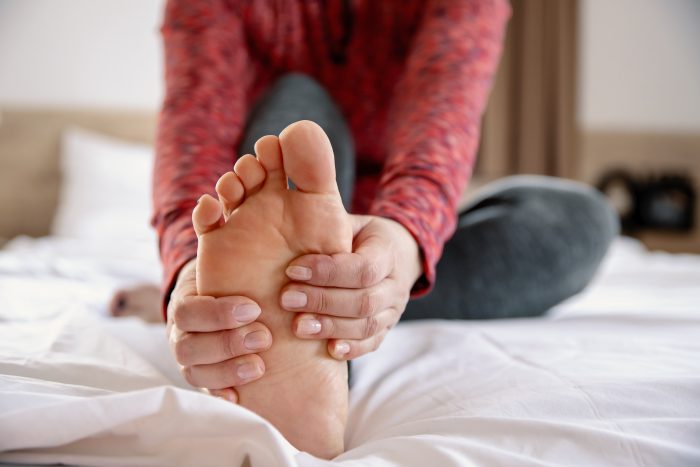
Bunion pain can also affect sleep, and symptoms often worsen as you try to settle down for the night.
If your symptoms become this severe, it’s time to take action.
Can you reverse bunions?
Unfortunately, the short answer is no. You cannot reverse bunions, and they won’t go away on their own. However, there are ways to manage them and prevent discomfort from worsening.
Taking anti-inflammatories
One of the most common symptoms of bunions is swelling in the joint at the base of the big toe, which causes unpleasant pain and throbbing. Simple over-the-counter medications like ibuprofen or aspirin can help ease the pain. However, long-term use of these medications is not recommended, so always consult your doctor.
Hot and cold therapy
Hot and cold therapy are proven treatments for a multitude of injuries and conditions. Cold therapy helps reduce swelling, and a cold compress can relieve the painful bunion and irritated skin on the foot caused by bunion-related rubbing. Elevating the foot while using a cold compress can also enhance the effects.
On the other hand, heat helps improve blood flow and relax sore joints and muscles. Heat therapies can soothe aching, soreness, and cramping in the foot. The combination of heat and cold therapy provides comprehensive relief from the pain and discomfort of bunions.
Enough exercise and rest
Staying active is important when treating bunions, as becoming more sedentary would be more detrimental than helpful. Some bunion-specific exercises can help strengthen the feet and increase mobility, but it’s important to continue your usual activity as much as possible. You might need to modify your routines or try out some different activities that are less stressful on the feet, like swimming.
You should also take time for proper rest to ensure your feet can recover and you can manage your symptoms effectively.
Footwear accessories
Your shoes can feel like your worst enemy when you’re experiencing pain from bunions. Fortunately, different accessories can help you feel more comfortable and manage pain.
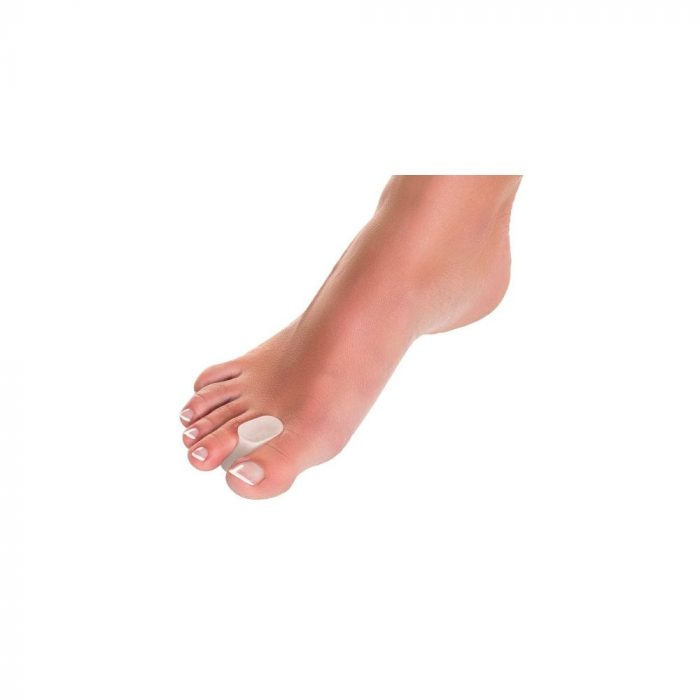
Toe spreaders separate the big toe from the second toe to gently correct the misalignment caused by bunions.

A bunion splint provides lasting correction of big toe malpositioning from bunions by returning the foot to its natural shape and straightening the arch of the foot.
Find relief from bunion pain at brace-yourself
Whether you are trying to prevent bunions from forming or find relief from the pain and discomfort they cause, brace-yourself can help. Shop our heel support for shoes collection to find bunion-specific support and preventative measures, or browse foot splints for relief from pain and corrective support.
For further advice on our product range from practising clinicians, contact us via askaclinician@brace-yourself.co.uk.
Read next
How to Support Bunions & Best Bunion Supports to Ease Pain

Comments are closed here.