
How Do Compression Sleeves Work?
A compression sleeve is a tight, elasticised tube of fabric, often worn on the arms and legs to support the joints and improve blood flow. Whether you are recovering from injury, want extra support and security while exercising or looking for relief from DOMs after a gym session, compression sleeves can help.
If you have never used compression sleeves before or want to better understand how to use them, you’ve come to the right place. We have compiled this expert guide to compression sleeves with everything you need to know, including how they work, what they’re made of and how to find the correct fit.
Contents
How do compression sleeves work?
When to wear compression sleeves
How do you wear compression sleeves?
How tight should compression sleeves be?
What are compression sleeves made from?
Benefits of compression sleeves

How do compression sleeves work?
Compression is a simple yet effective process. Compressing the limb increases blood flow around the body, which is vital for health, recovery and fitness. Increased blood flow means more oxygen and nutrients are delivered to the muscles, and waste products like lactic acid are removed more swiftly.
Increased blood flow also means:
- Reduction in inflammation and fluid retention. This helps reduce swelling from injuries and improves recovery time from exercise.
- Reduces the effects of high impact on the joints by limiting muscle oscillation. This is your muscles’ movement when your feet hit the ground, and the vibration ripples through the body.
- Improved stability in the joints.
- Alleviation of symptoms of delayed onset muscle soreness (DOMs).
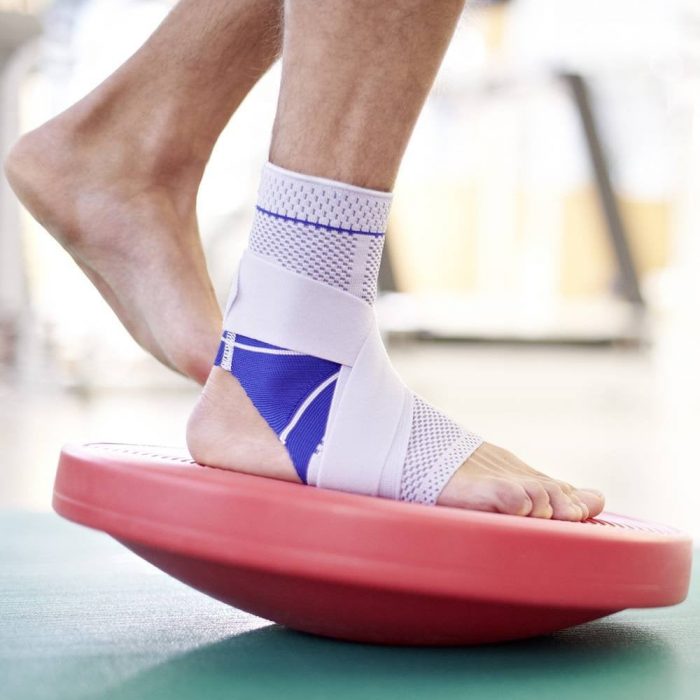
Bauerfeind MalleoTrain S Open Heel
When to wear compression sleeves
Compression sleeves are most often worn during exercise. Everyone from regular gym goers to professional athletes wears compression aids to improve their performance and reduce muscle soreness. However, compression sleeves also help stabilise limbs and reduce inflammation in recovery from injuries or surgeries.
Compression sleeves can also be used to treat conditions such as lymphoedema, deep vein thrombosis and circulatory disorders. Some people even wear compression sleeves or socks on long flights to prevent swelling and discomfort in the legs.
How do you wear compression sleeves?
Compression sleeves are easy to wear and shouldn’t cause any discomfort. Simply slide them over your foot or hand like a toeless sock and slide them into the intended place.
Avoid stretching the sleeve too far when putting it on and off. Rather, “scrunch” the sleeve and gently pinch it into the desired position.
If the sleeve feels too long, you can fold the end over. This will not affect the compression.
If you’re wearing a compression sleeve for exercise, leave it on for 1-2 hours after your workout to reduce muscle soreness and maximise your recovery. For medical conditions like lymphoedema, wear your sleeves during the day and take them off at night.
There is no limit to how long you can wear compression sleeves and garments. However, long periods of wear could lead to skin discomfort, so we always recommend taking them off at night to let your skin breathe.

Bauerfeind OmoTrain Shoulder Support
How tight should compression sleeves be?
Compression sleeves should fit snugly without feeling restrictive, causing pain or numbness. They also should not feel loose or slip, as this will result in inadequate compression. At brace-yourself, our compression sleeves come in various sizes so you can find the perfect fit to aid your recovery.
What are compression sleeves made from?
Compression sleeves sit snugly to the skin, so they are made using comfortable fabrics to ensure your skin can breathe.
Brace-yourself’s range of compression sleeves is made with breathable fabrics, incorporating sweat-wicking technology so our sleeves can be worn for long periods. Some designs also have adjustable components, including velcro straps, for a customisable fit. These features can be found across our range of medical and sports supports.
Benefits of compression sleeves
If you still need some convincing, let us summarise the many benefits of compression sleeves.
- Improved recovery after exercise. Whether lifting weights in the gym, a tough pilates class or a kickaround in the park, compression sleeves help reduce the symptoms of DOMs.
- Reduced muscle fatigue. Make the most of your workout thanks to improved circulation, feeding your muscles the necessary nutrients and filtering away lactic acid.
- Prevention of swelling and inflammation. Help injuries heal and enjoy long journeys in comfort thanks to the reduced swelling with compression sleeves.
- Comfortable and breathable. Compression sleeves are comfortable for long periods thanks to breathable, sweat-wicking materials keeping you cool.

Bauerfeind ManuTrain Wrist Support
Discover premium sports and orthopaedic support at brace-yourself
At brace-yourself, we are leading suppliers of compression sleeves, braces, splints, slings and more medical supports to help you recover from injury and surgery or move more confidently. Whether you want a compression sleeve for added support after an injury, a sling to immobilise your shoulder post-surgery, or even a protective sleeve so you can shower without worrying about your cast, brace-yourself is here to help.
With options from leading brands like Bauerfeind and Hallufix, you can count on us to bring you high-level support through your recovery and beyond.

Comments are closed here.