
Common Football Injuries & How to Treat Them
We’ve all heard that one guy who claims he could have been a professional footballer if he hadn’t torn his ACL. Football is the world’s most popular sport, offering a mix of speed, strength, and agility. The nature of the game—high-speed running, sudden stops, quick changes of direction, and heavy contact (we know what you Sunday league players can be like) —makes players highly susceptible to a range of injuries.
Understanding common football injuries and knowing how to manage them is crucial for minimising downtime and ensuring a safe return to the pitch. Whether you’re a professional athlete or playing five-a-side, this guide covers the most common football injuries and the best practices for treatment and recovery.
TL;DR:
This guide details the most common football injuries, focusing on lower-limb issues such as Ankle Sprains, ACL Tears, and Hamstring Strains, and stresses the immediate use of the R.I.C.E. protocol for soft-tissue injuries. It also highlights gender disparities in injury rates, noting that women are significantly more prone to ACL tears, while men experience higher rates of hamstring and groin strains.
Contents
- What are the Most Common Injuries in Football?
- Ankle Sprains
- ACL Tears
- Hamstring Sprains
- Achilles Tendon Injuries
- Football Stinger Injury
- Common Football Injuries by Gender
What are the Most Common Injuries in Football?
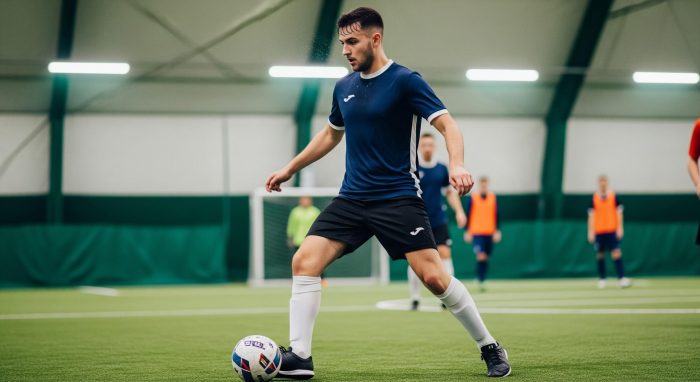
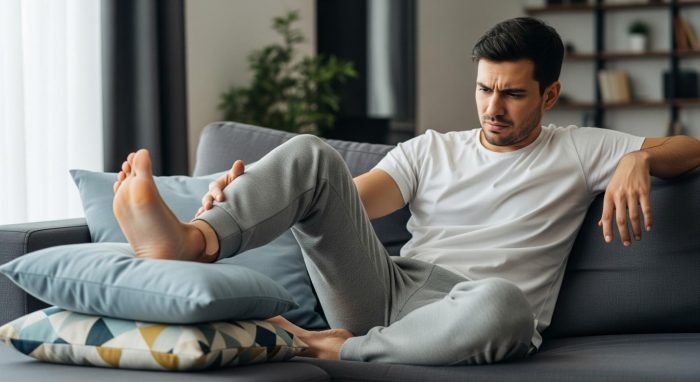
The majority of injuries in football occur in the lower body, particularly the knee, ankle, and thigh. Here is our list of the most common football injuries and the treatment and management we recommend. We’ve even thrown in some specific areas of our site you can explore if you are sitting at home with your foot raised on a pillow, nursing an injury.
1. Ankle Sprains
Ankle sprains are arguably the single most common injury in football. They typically occur when the foot twists or rolls violently, stretching or tearing the ligaments on the outside of the ankle.
Treatment & Management: For a mild to moderate sprain, immediate treatment involves the R.I.C.E. protocol (Rest, Ice, Compression, Elevation). Compression with a support or brace is key to controlling swelling and providing stability.
2. Anterior Cruciate Ligament (ACL) Tears and Other Knee Ligament Injuries
Knee injuries, particularly to the ligaments, are among the most serious and career-threatening. ACL, MCL (Medial Collateral Ligament), and meniscal tears are highly prevalent.
Why are ACL injuries so common in football?
The ACL is a vital ligament that stabilises the knee against rotational forces. ACL injuries are so common in football because of the explosive, non-contact movements that often happen within the sport—specifically, sudden decelerations, abrupt changes in direction (cutting), and awkward landings—which place extreme twisting stress on the knee. Contact incidents, such as a direct tackle to the side of the knee, can also cause tears.
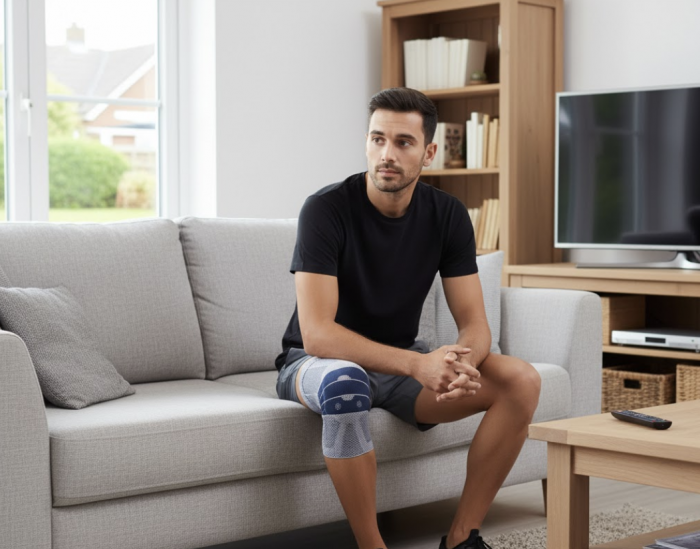
- Treatment & Management: ACL tears often require reconstructive surgery followed by months of rigorous rehabilitation. For less severe tears or during the post-operative recovery phase, a high-quality knee brace can provide the necessary stability and control to prevent re-injury and support return to sport.
- Product Spotlight: The Bauerfeind GenuTrain Knee Brace is an excellent choice for stabilising the knee and reducing pain during rehabilitation.
3. Hamstring Strains
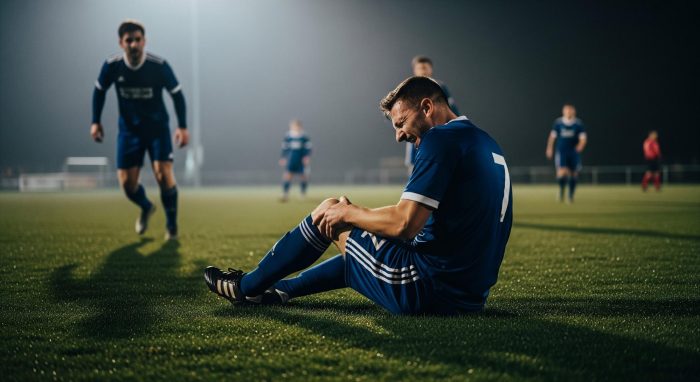
A hamstring strain (or pull) is a tear in one or more of the three muscles that run along the back of the thigh. They are common during powerful actions like sprinting, kicking, or rapid acceleration.
- Treatment & Management: Hamstring strains are notoriously prone to recurrence. Treatment involves immediate rest and ice, followed by a detailed, gradual rehabilitation program focused on restoring strength and flexibility before returning to play.
4. Achilles Tendon Injuries
The Achilles tendon, connecting the calf muscle to the heel bone, is crucial for jumping, pushing off, and running. Injuries range from chronic tendonitis (tendinopathy) to acute, often catastrophic, ruptures.
- Treatment & Management: Achilles issues require careful management to prevent rupture. If a full rupture occurs, it will require surgical or non-surgical intervention and extensive immobilisation.
- Product Spotlight: For treating severe tendinopathy or managing post-rupture recovery, supportive devices like the Thetis Medical Achilles Tendon Rupture Night Splint can help maintain the tendon’s length and aid healing overnight.
5. Football Stinger Injury (or Burner)
This is a specific type of nerve injury often associated with contact sports like football, particularly American Football and Rugby, but it can also happen in football too.
What is a football stinger injury?
A stinger is a temporary injury to the nerves in the neck (cervical spine) and shoulder area, called the brachial plexus. It occurs when the head is forced to one side, or the shoulder is forcefully depressed, stretching or compressing the nerves. It causes a sharp, burning, or electric-shock sensation that radiates down the arm, followed by numbness and temporary weakness.
How long does it take to recover from a stinger in football?
Most stinger injuries are temporary. The symptoms typically subside within minutes or hours. A player should not return to play until all pain, numbness, and weakness have fully resolved and they have received medical clearance. Rarely, more severe or recurrent stingers may require weeks or months of rest and investigation.
Common Football Injuries by Gender
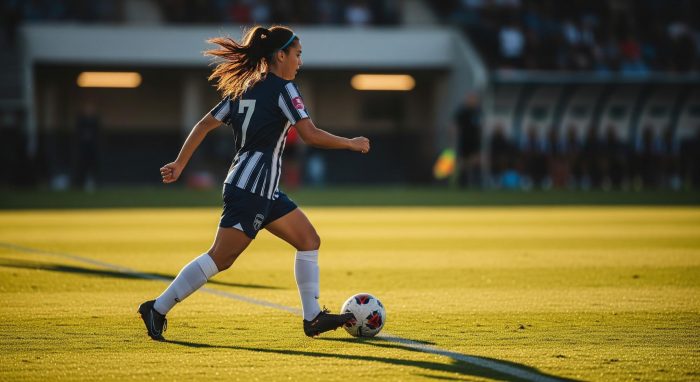
Perhaps the biggest disparity in injury frequency between male and female footballers comes with ACL tears. While many men suffer from ligament injuries, it’s estimated that female players are two to eight times more likely to sustain an ACL tear than their male counterparts.
The 2023 FIFA Women’s World Cup saw 30 players unavailable due to ACL injuries alone. No single specific reason has been identified for the reason why ACL injuries are more common in women, but research has named issues such as differing hormones and a lack of regular access to high-quality training facilities as contributing factors.
As research continues, the FA has updated its conditions of use for artificial playing surfaces (another commonly suggested factor) in women’s football.
Below, we’ve outlined other key football injuries that are most common for each gender, why there’s such a disparity, and what the estimated recovery times are for each injury.
Common Women’s Football Injuries
Lack of access, resources and proper facilities also play a part in other common women’s football injuries. We’ve collected some other frequent issues, alongside ACL tears, and looked to identify the physical specifics of why they are more prevalent in female football players.
| Injury | Why It’s More Common in Women | Estimated Recovery Time |
| ACL Tears | Biomechanical factors (wider hip angle causing greater knee valgus), hormonal fluctuations, and ‘quadriceps dominance’ when landing, which places high stress on the knee joint. | 9–12+ months (often requires surgery and extensive rehabilitation) |
| Quad Strains | Studies suggest females may be more ‘quad-dominant’ in muscle activation patterns compared to males, leading to a higher incidence of structural quadriceps injuries. | 2–4 weeks (for structural muscle injuries) |
| Patellofemoral Pain Syndrome (Runner’s Knee) | Also linked to biomechanics (valgus knee alignment) and muscle control, irritation often occurs around the kneecap due to tracking issues during running and jumping. | 4–6 weeks of targeted physical therapy, rest, and bracing. |
Common Men’s Football Injuries
Overall injury incidence is generally higher in men’s elite football, often due to higher exposure hours and the frequency of direct, high-impact contact. Men are statistically more prone to acute muscle strains in specific areas.
| Injury | Why It’s More Common in Men | Estimated Recovery Time |
| Hamstring Strains | Occur nearly twice as often in men, possibly due to higher running speeds, increased training loads, and greater emphasis on explosive power in male elite setups. | 1–3 weeks (mild) 6–12+ weeks (severe tear) |
| Groin Injuries | Significantly more frequent (up to 11x more common). Linked to high volume kicking, rapid lateral movements, and muscle imbalance in the adductor/hip flexor complex. | 4–12 weeks, depending on chronicity and severity. |
| Contusions & Fractures | Higher rates of high-impact contact injuries, including muscle contusions (‘dead legs’) and fractures, especially in the upper limbs, are reported in male players due to the nature of tackling and aerial duels. | 1–4 weeks (contusions) 6–12 weeks (fractures) |
How to Treat Football Injuries: The R.I.C.E. Principle
When a soft tissue injury (like a sprain or strain) occurs, the first steps you take are critical for a faster recovery. How to treat football injuries immediately starts with the R.I.C.E. protocol:
- Rest: Avoid activities that cause pain. Stop playing immediately.
- Ice: Apply a cold pack for 15-20 minutes, 4-8 times per day, to reduce pain and swelling.
- Compression: Use an elastic bandage or supportive brace to minimise swelling. This is where high-quality supports from Brace Yourself come in.
- Elevation: Keep the injured limb above heart level to help fluid drain away.
Prevention: How to Reduce Your Risk
Preventing football injuries often comes down to consistency in training and preparation.
- Warm-up: Incorporate dynamic stretching and sport-specific movements before every session or match.
- Conditioning: Focus on leg and core strength, as well as balance training (proprioception), especially after a previous ankle or knee injury.
- Flexibility: Regular stretching and foam rolling can help prevent hamstring strains.
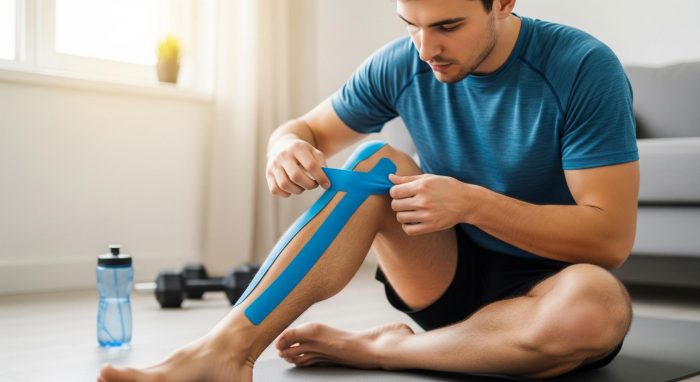
- Proper Gear: Ensure you wear appropriate footwear and, if recovering from a previous injury, consider using a stabilising brace or kinesiology tape for added support.
Get Back in the Game with the Right Support
Understanding the risks and having a management plan are essential for a long and healthy career in football.
Explore the full range of supports and braces designed to aid recovery and prevent injury by visiting our general Help & Advice hub for more injury guides.

Comments are closed here.