
Common Cycling Injuries & How to Treat Them
Cycling is great for fitness, but injuries are unfortunately common. Even the most experienced riders find themselves off the saddle at some point. Many common issues faced by cyclists can be treated with rest and at-home care. In this guide, we’re looking at some common issues, ways to prevent them, and how to get back in the saddle if you’re struggling with them.
Table of contents
What are the most common injuries in cycling?
How to prevent cycling injuries
How do you treat cycling injuries?
What are the most common injuries in cycling?
Let’s begin with an overview of the most common cycling injuries and their causes.
Neck and back pain
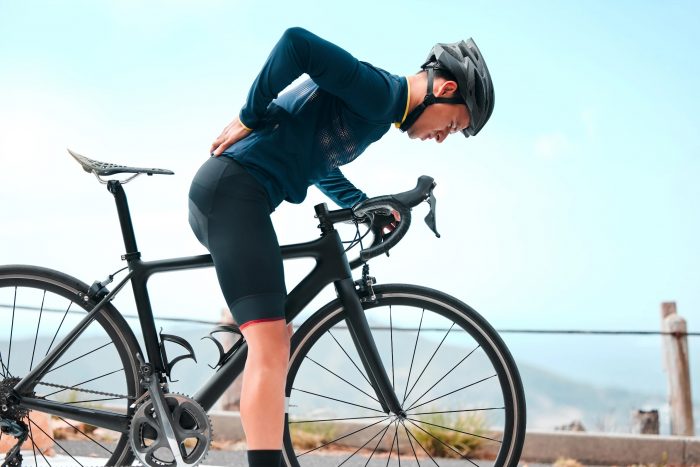
Long periods in a bent-over position can put a significant strain on the lower back. You may experience a sharp pain or ache that radiates to your buttocks and thighs, accompanied by a feeling of stiffness when getting up from a seated position. The sustained cycling posture can also lead to neck pain and stiffness. Your muscles need to be active and moving to stay supple and pain-free, so holding yourself in one position for long periods can cause them to become painful and stiff.
Knee pain
Patellarfemoral syndrome, otherwise known as runner’s knee, is also a prevalent injury in cyclists. It causes deep pain or ache around the kneecap and can feel stiff after sitting down for a while. It’s usually down to an imbalance of muscles in the thigh or at the hip, which can change the tension in the kneecap and cause pain. Iliotibial band syndrome and patella tendonitis are also common conditions among cyclists.
Hand and forearm pain
These areas may not seem like they could be affected by cycling, but they are very common points of discomfort for many riders. Weakness and tingling in the ring finger and little finger can be caused by holding the handlebars in one position for too long, irritating the ulnar nerve that runs through the underside of the wrist. The forearms can be affected by “arm pump” – an intense ache that can make “ungripping” the hands difficult. This is also typically caused by gripping the handlebars in the same position for an extended period.
Hip pain
Prolonged sitting can lead to decreased flexibility, causing pain in the front and outer hip that can travel down the thigh to the kneecap. This can often be caused by improper bike setup.
Foot pain
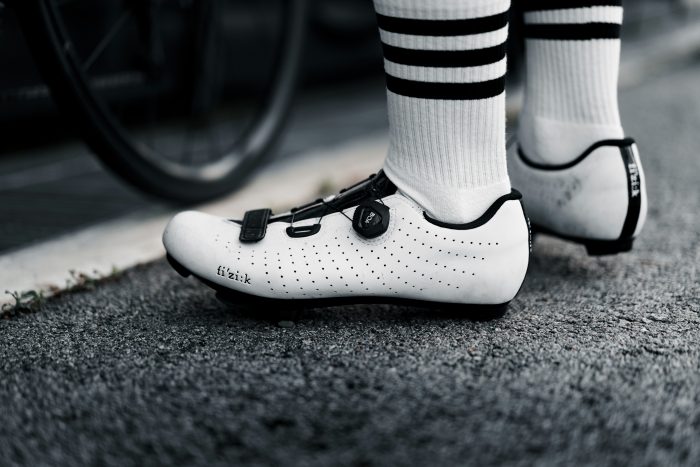
A common complaint among frequent cyclists, their feet take a lot of strain in this sport. Cyclists may experience numbness or tingling in the feet, often caused by shoes that are too tight or cleats that are incorrectly positioned.
Plantar fasciitis is another common complaint, where the plantar fascia becomes overly tight or damaged from stress. The most common foot injury in cyclists is known as hot foot.
What is hot foot in cycling?
Hot foot is a burning, numb, or painful sensation on the underside of the foot that arises as a result of pressure on the nerves that travel through the ball of the foot and towards the toes. If you experience hot foot in summer, your feet are likely swelling and your shoes have nothing to give. If hot foot arises in winter, you may be wearing socks that are too thick and cutting off the blood supply to your feet.
Ankle pain
A common cause of ankle pain in cyclists is Achilles tendonitis, an overuse injury that is usually caused by training too much, too quickly. Bike setup can also contribute to Achilles tendonitis; if the pedal cleats are too far forward and the saddle is too high, it can cause the ankle to be in a pointed-down position, which increases strain on the Achilles tendon.
Saddle sores
Even the most experienced cyclists can be forced off the saddle with saddle sores. Affecting the sensitive undercarriage area, the sores can cause riders to adjust their position in the saddle to avoid pressure on the skin, which can lead to other injuries that are more difficult to treat.
Acute injuries
When cycling outdoors on the road or a trail, there is always a risk of falls or crashes. Light falls may leave you with little more than a few cuts and bruises, whereas heavier crashes can be a lot more serious. If you do come off your bike, it’s essential to give yourself time to recover and get any serious injuries checked out promptly.
Road rash
A skin abrasion from where the skin rubs against a hard surface like a road, pavement, or gravel. It’s important to clean road rash to avoid infection. Minor cases can heal in a few days, while more severe wounds can take several weeks to heal.
Fractures and breaks
A broken collarbone is a very common injury from cycling falls and collisions. Broken wrists, arms and legs and feet are also common, usually stemming from the cyclist trying to break the fall in some way. Fractures typically heal in around six to eight weeks, whereas more severe breaks can take months to heal.
Soft tissue injuries
Sprains and strains are common injuries from cycling falls, even if the impact is minimal. Minor sprains may be recoverable within a few weeks, whereas more serious injuries may require months of healing.
More severe acute injuries may include internal bleeding or damage, spinal cord injuries and head injuries. It is vital to seek immediate medical attention after a nasty crash – go to hospital or call 999.
How to prevent cycling injuries
As we always say, prevention is better than cure. Many of the common ailments we’ve discussed are preventable with small adjustments.
Proper bike fit
Ensuring your bike is correctly sized and adjusted to your body is not only important for a comfortable ride, but it also helps prevent injury. Incorrect saddle height or pedal setup can cause altered biomechanics, increasing pressure on the joints and thereby increasing your risk of injury.
Strengthen your core
The key to reducing back pain is to strengthen your core. Our core strength has a huge bearing on injury prevention in every sport, so it’s important to give it some attention, no matter how you move your body.
Rest and recover
As with all sports, allowing your body to rest and recover properly is crucial to remaining injury-free. Riding with fatigued muscles and improper form can negatively impact your performance and increase your risk of overuse injuries. Stretching and flexibility exercises help keep your muscles supple and relaxed. You can even brave an ice bath! Maintaining a healthy lifestyle also contributes to your overall well-being. Stay hydrated, eat a balanced diet rich in lean protein, carbohydrates, and antioxidants, and get plenty of sleep to help your body recover.
Vary hand positions
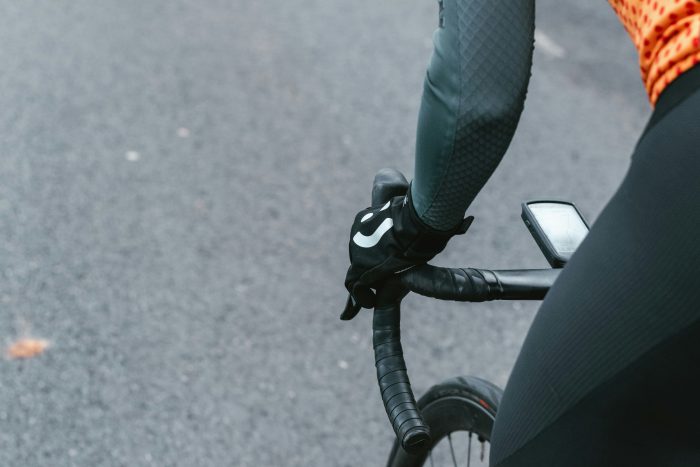
Try to adjust your hand position on the handlebars periodically to reduce pressure on your wrists. Adjusting your overall riding position is also a good idea to prevent back pain. If you can, lower the saddle and bring it forward slightly to ride in a more upright position.
Wear padded cycling shorts
Saddle sores can happen to the best of us, and ignoring them will only make the situation worse. Taking a few days off will help calm things down. A pair of well-fitting, padded cycle shorts will help prevent saddle sores, as does applying chamois cream. The saddle itself also makes a different, choose one that fits your body shape for a more comfortable ride.
Take breaks
Frequent stops on long rides can help prevent the stiff, sore feeling that comes with being in the saddle for hours on end. Of course, if you are in the thick of a race or event, you can’t just pull over. But taking breaks during training can help keep your body in tip-top shape to endure races and improve your performance.
How do you treat cycling injuries?
Minor cycling injuries can usually be treated at home. Use the RICE method for minor sprains, aches and pains. Clean and cover wounds or cuts, such as road rash. If you are in a lot of pain or your symptoms do not improve with rest, consult a professional such as a GP or physiotherapist for proper diagnosis and treatment.
Treatment plans for common cycling injuries typically involve physiotherapy, which includes strengthening exercises, stretching, and active recovery. Once you are ready to get back in the saddle, visiting a specialist bike shop can help you adjust your bike fit to prevent further injury. Return to your cycling gradually, starting with short, gentle rides on flat terrain.
As you return to cycling, a brace or support can help improve your stability.
Knee support for cycling
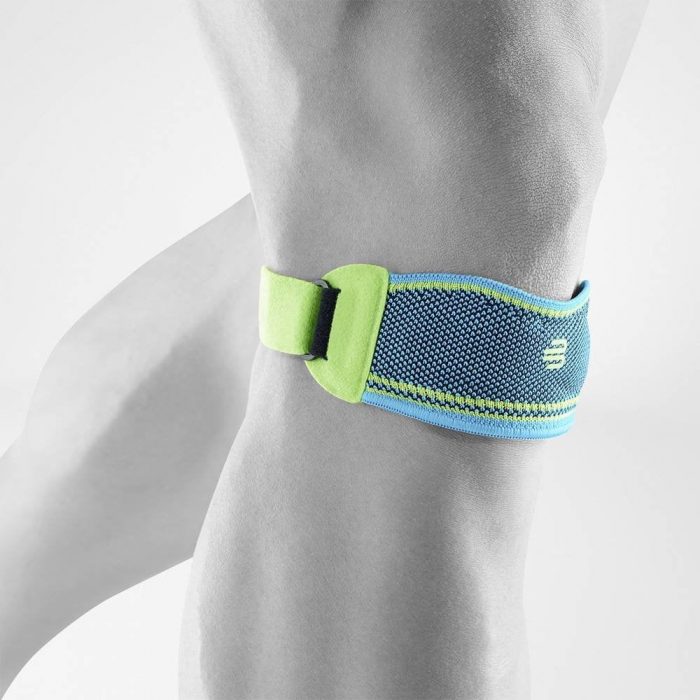
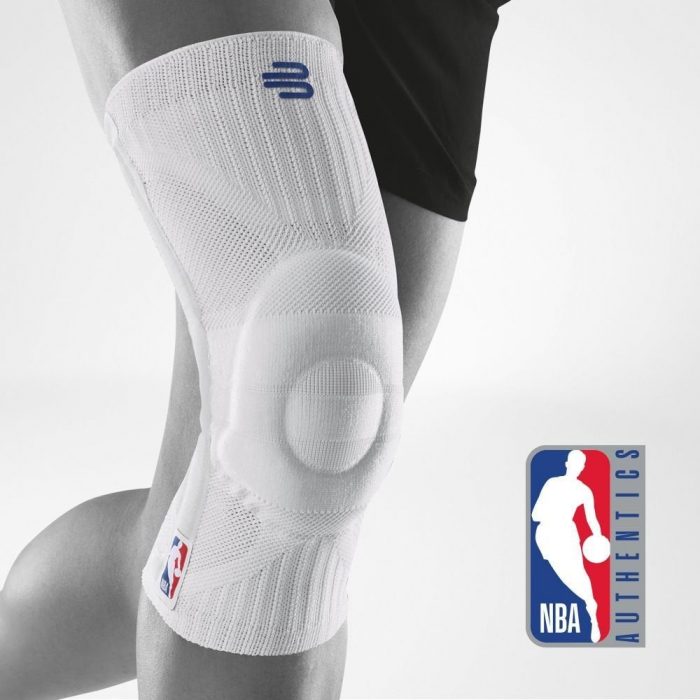
Knee pain is common in cycling, especially overuse injuries such as patellarfemoral pain syndrome. A knee support, such as the Bauerfeind Sports Knee Strap or Sports Knee Support, can help alleviate the strain on the knee joint, thereby preventing injury. A knee support can also help in recovery from injuries, stabilising the joint and allowing supported movement as you return to your activities.
Ankle support for cycling
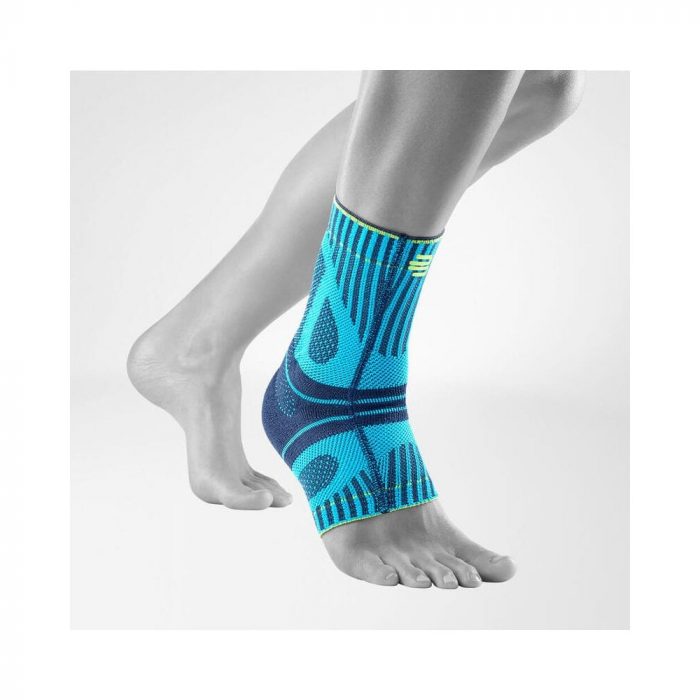
The Bauerfeind Achilles Sports Support is ideal for cycling-related ankle pain, particularly conditions such as Achilles tendonitis. It supports the Achilles tendon by surrounding the area with integrated pads that apply alternating pressure massage, improving proprioception and joint coordination.
Find support for cycling injuries at brace-yourself
We have an excellent selection of cycling supports and braces to help you on your cycling journey. Whether you are recovering from an injury or looking for extra stability and confidence in the saddle, we have the right support for you. Explore our collection or browse our full range of sports braces and supports to find the right support for you and your specific activities.

Comments are closed here.