
Knee Braces
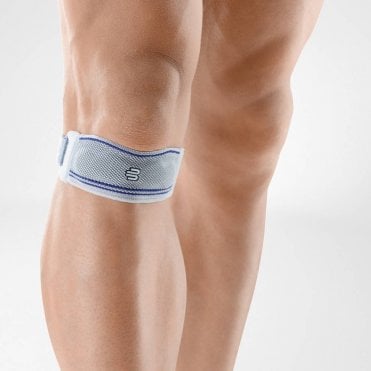
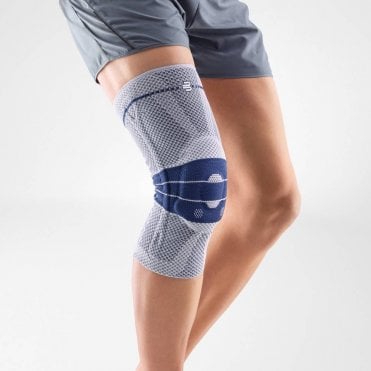
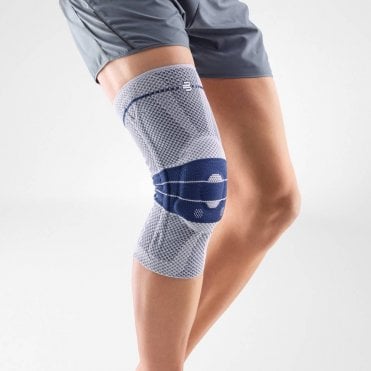
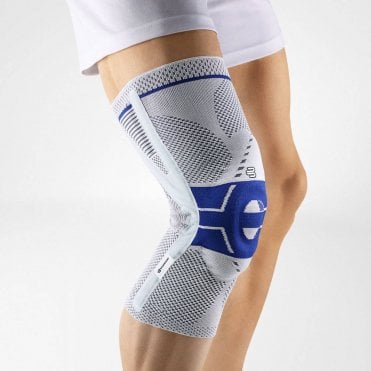
Whether recovering from an injury or protecting your knees from high-impact activity, a good knee brace is vital to keep this unstable joint in check. Knee braces and splints are often used by athletes, people with arthritis or those recovering from injury or surgery. They come in various types to help alleviate pressure on the knees and support the ligaments for comfortable, controlled movement. Perfect for injury prevention, rehabilitation and chronic pain management, our knee splints and braces improve mobility and enhance knee function. Find further support in our range of foot and ankle braces.
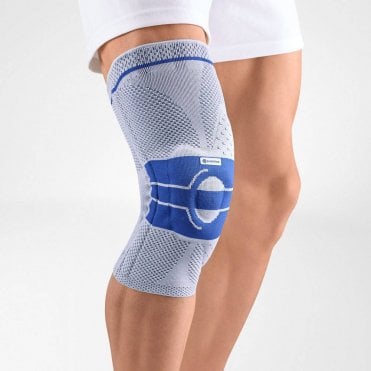
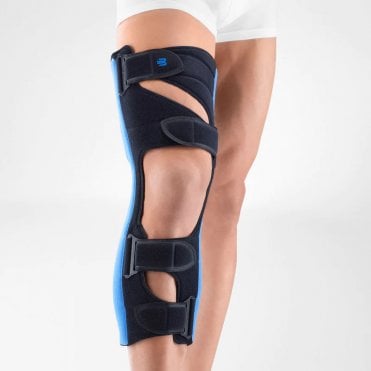
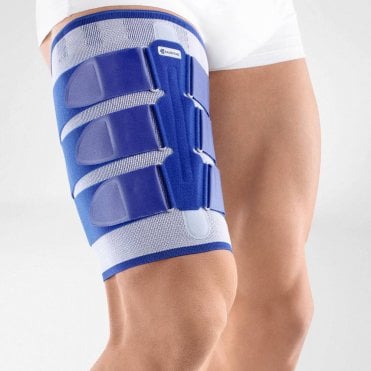
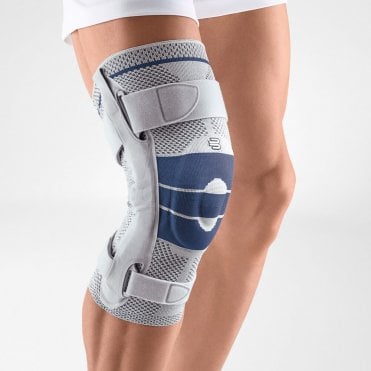
What does a knee splint do?
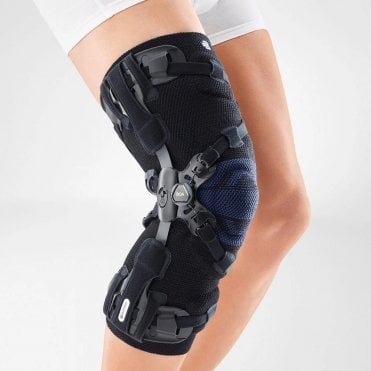
A knee splint is used to immobilise the area after injury, such as a sprain or dislocation, or following surgery to prevent further damage and keep the joint stable. Knee splints also keep the knee at a preset angle for temporary immobilisation.
Can you walk with a knee splint?
Depending on the severity of your injury or condition, you may be unable to weight-bear. Depending on the advice given by your healthcare provider, you may be able to remove your splint to do some gentle stretching and exercises to aid your recovery. The level of weight-bearing you can do will depend entirely on your circumstances, so always seek professional advice if you are unsure.
What is the difference between a splint and a knee brace?
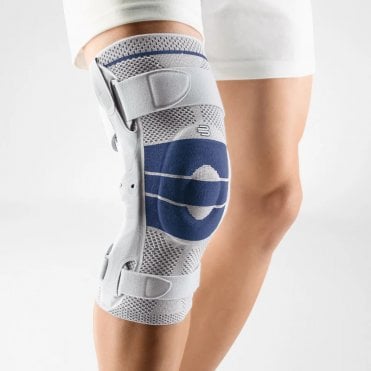
The main difference between a knee brace and a splint is the rigidity. A knee splint is rigid and firm to immobilise the joint following injury or surgery and is commonly used in an emergency to keep the joint stable. A knee brace is more flexible, offering relief through support, compression and stabilisation rather than total immobilisation. Braces have softer materials and come in various sizes with adjustable straps. Knee braces are used throughout recovery and beyond to support the joint.
